News
Seminar | Between Control and Trust: What Essential Learning for What Kind of School
On April 24, 2026, the CeiED – Interdisciplinary Centre for Education and Development Studies at the Lusófona University – University Centre of Lisbon organized the seminar Between Control and Trust: What Essential Learning for What Kind of School? The seminar was accredited as a Short-Duration Training Course for primary and secondary school teachers, which contributed to the participation of educators from various institutions.
The opening session featured presentations by Professor and Researcher Elsa Estrela and Professor and Researcher António Teodoro, who proposed a broad reflection on schools and the curriculum in Portugal. Their intervention addressed recent changes to the Essential Learning framework and the curriculum, reflecting on the role of assessment, the challenges faced by teachers, and the importance of finding a balance between control and trust in schools.
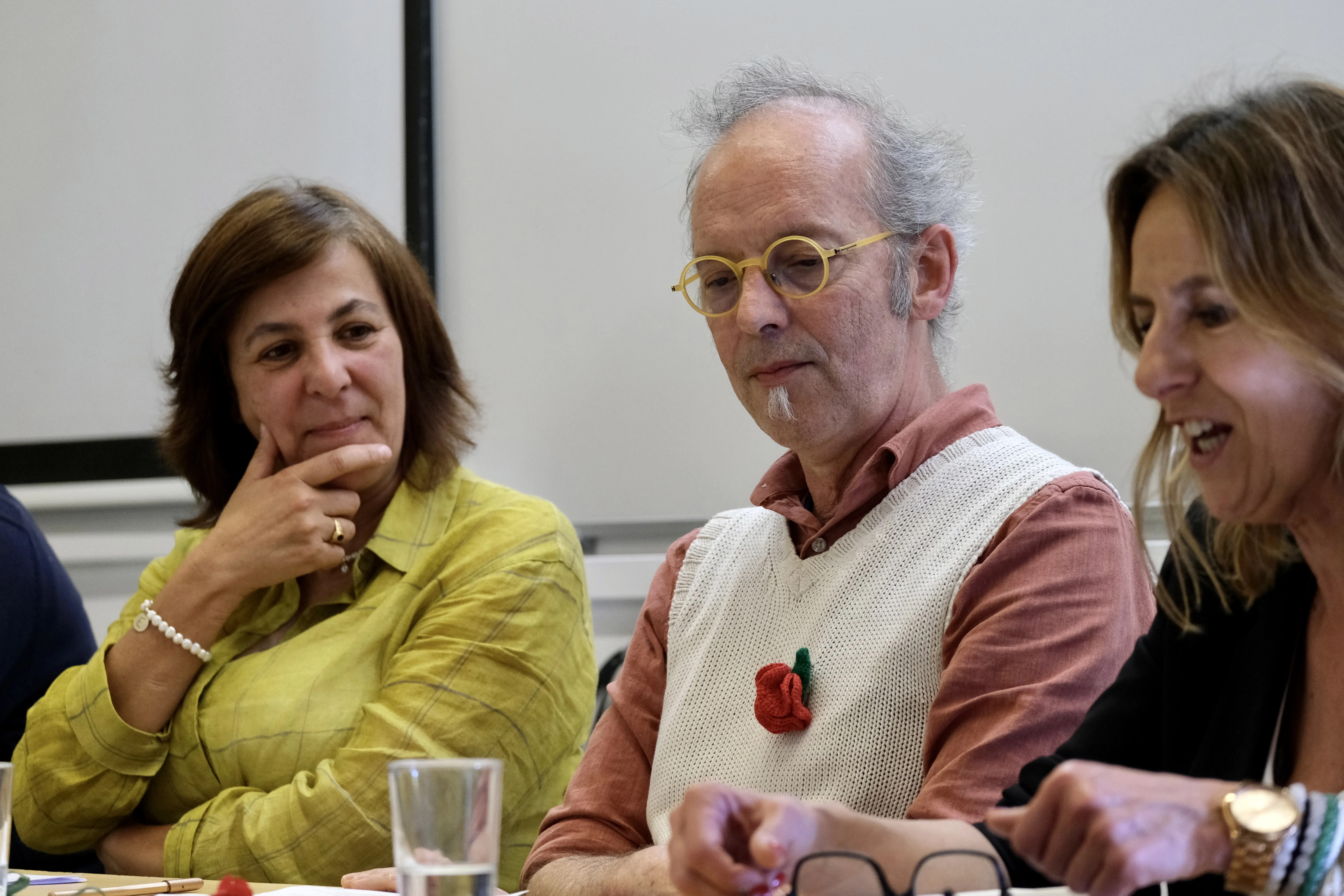
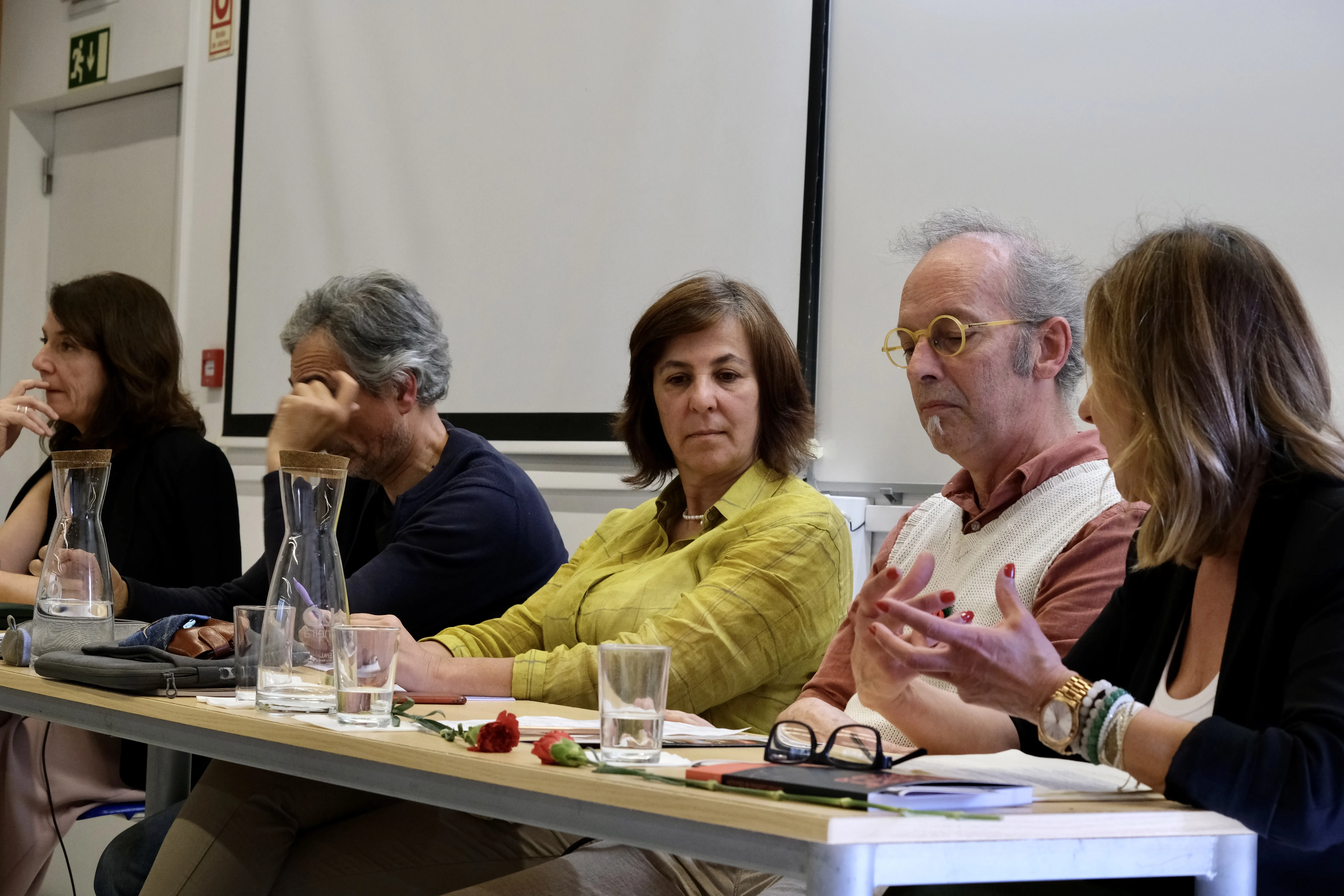
The second part of the event included a roundtable discussion with four specialists: Professor Regina Duarte, former Commissioner of the National Reading Plan; Professor João Pedro Aido, from the Board of the Portuguese Teachers’ Association; Professor Paulo Feytor Pinto, from CELGA-ILTEC (Centre for General and Applied Linguistics Studies) at the University of Coimbra; and Professor Vanda Pequito, from José Saramago Secondary School.
The debate focused on the Essential Learning framework for Portuguese language education, highlighting advances but also several weaknesses in the curriculum documents. The speakers emphasized the absence of a coherent and progressive model for the development of readers, while also questioning the excessive centrality of assessment, the lack of clarity regarding the literary canon, and the shortage of effective time for autonomous reading in schools.
The participants also defended the need for greater articulation between different paradigms of reading instruction and stressed the importance of more deeply rethinking the role of schools in the development of critical, autonomous, and culturally engaged readers.