News
Território Vivo (Living Territory): Subjective Cartographies and Artists’ Books Welcome New Students to the Master’s in Visual Arts Education
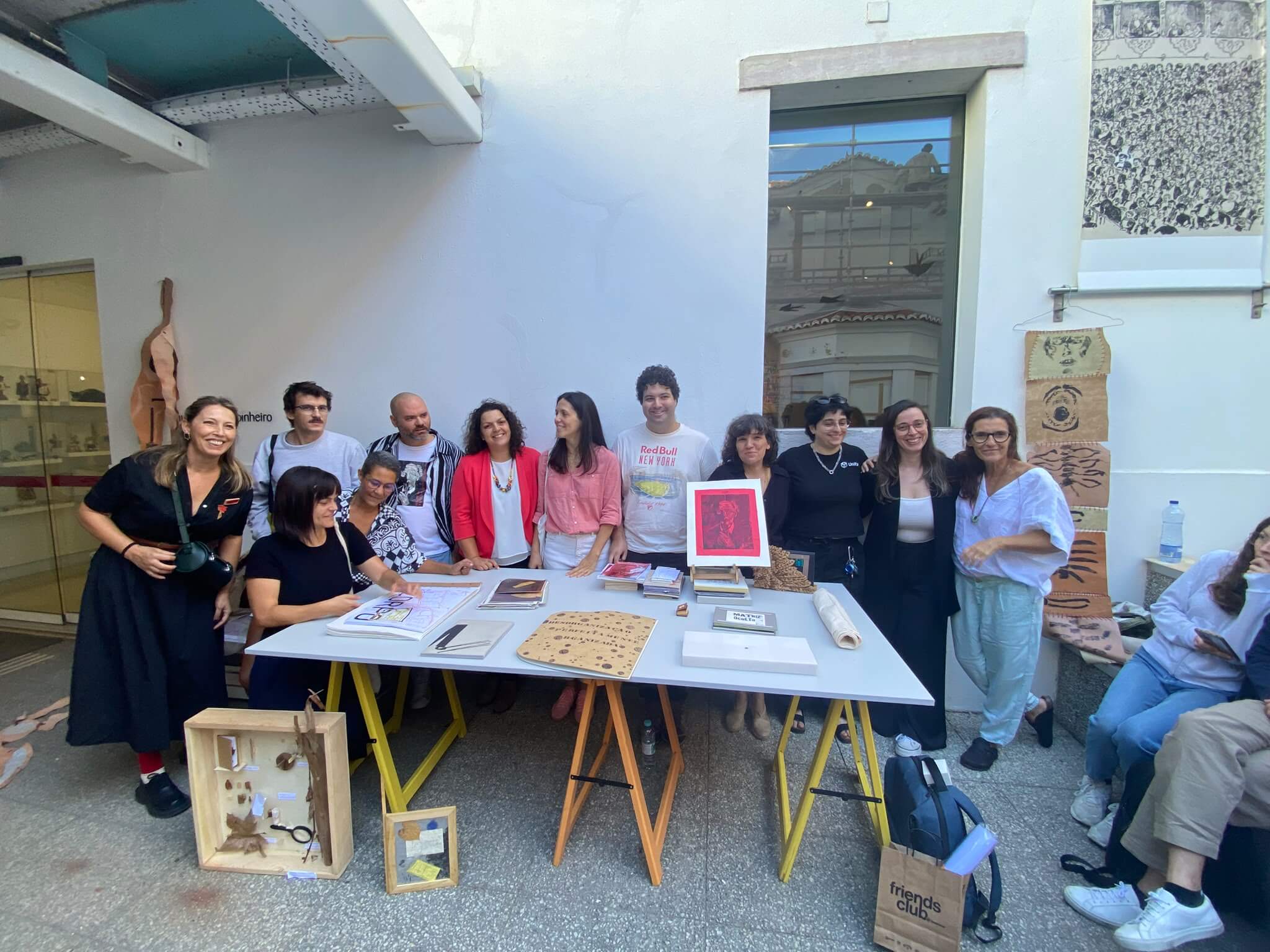
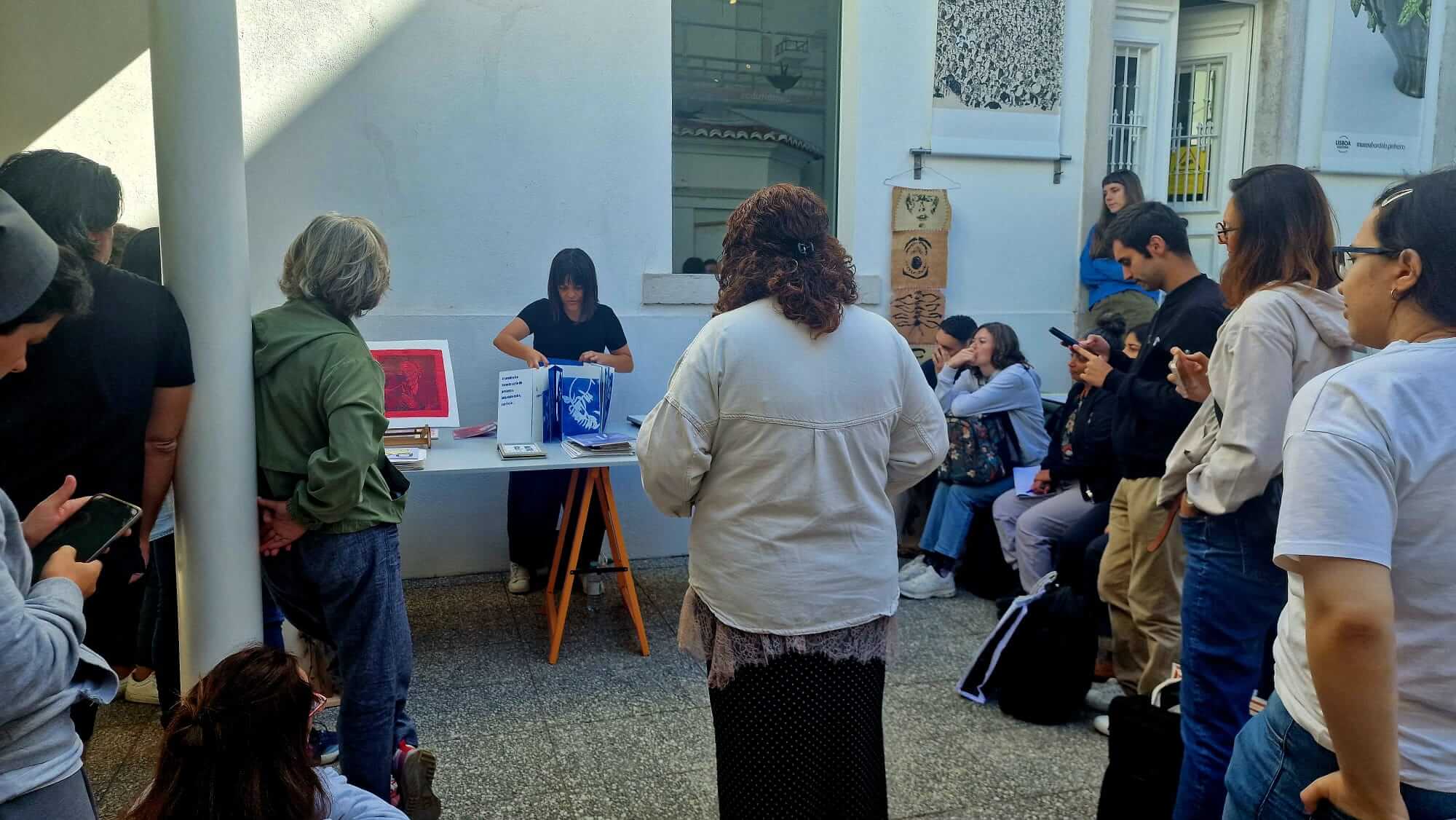
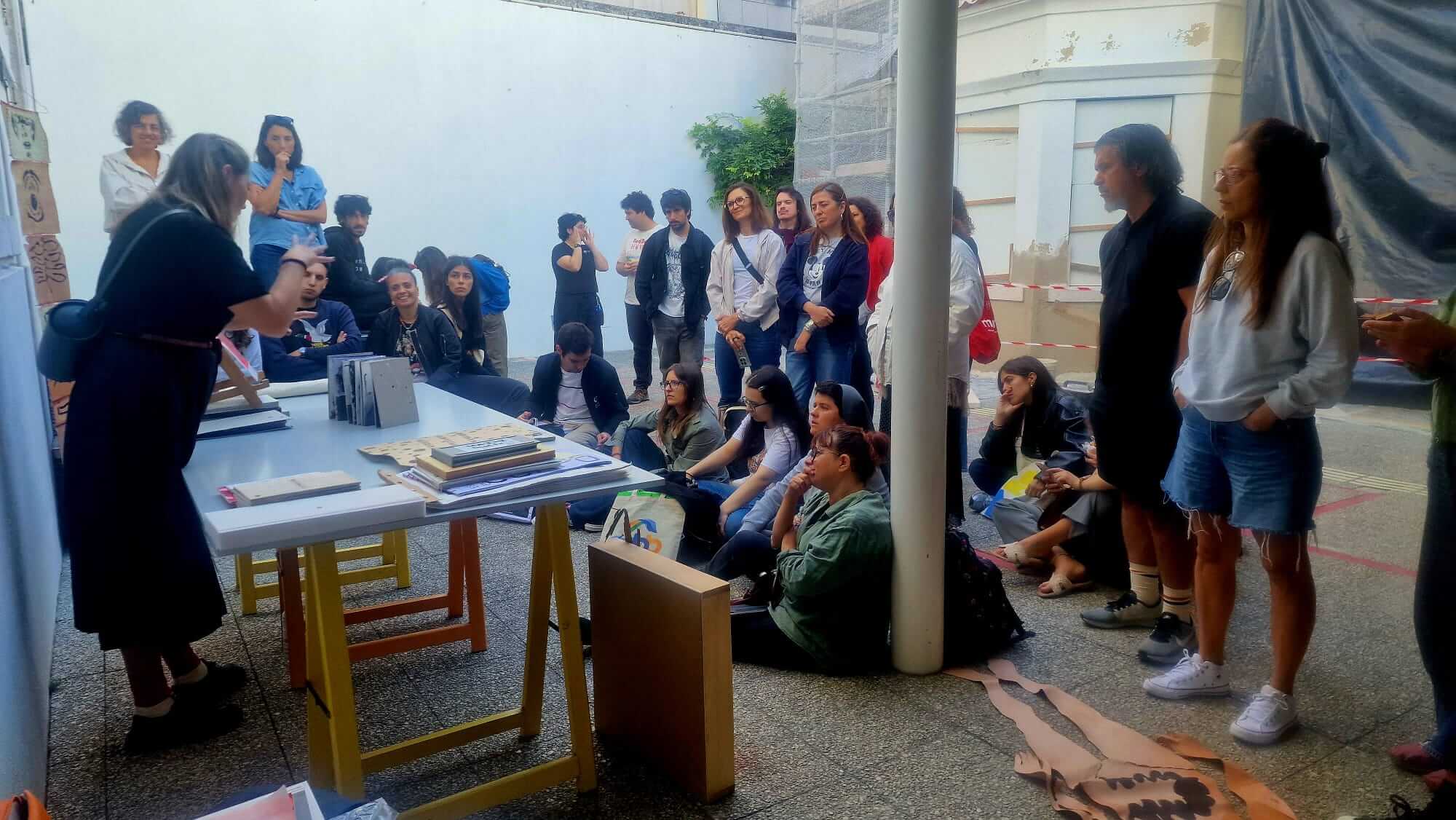
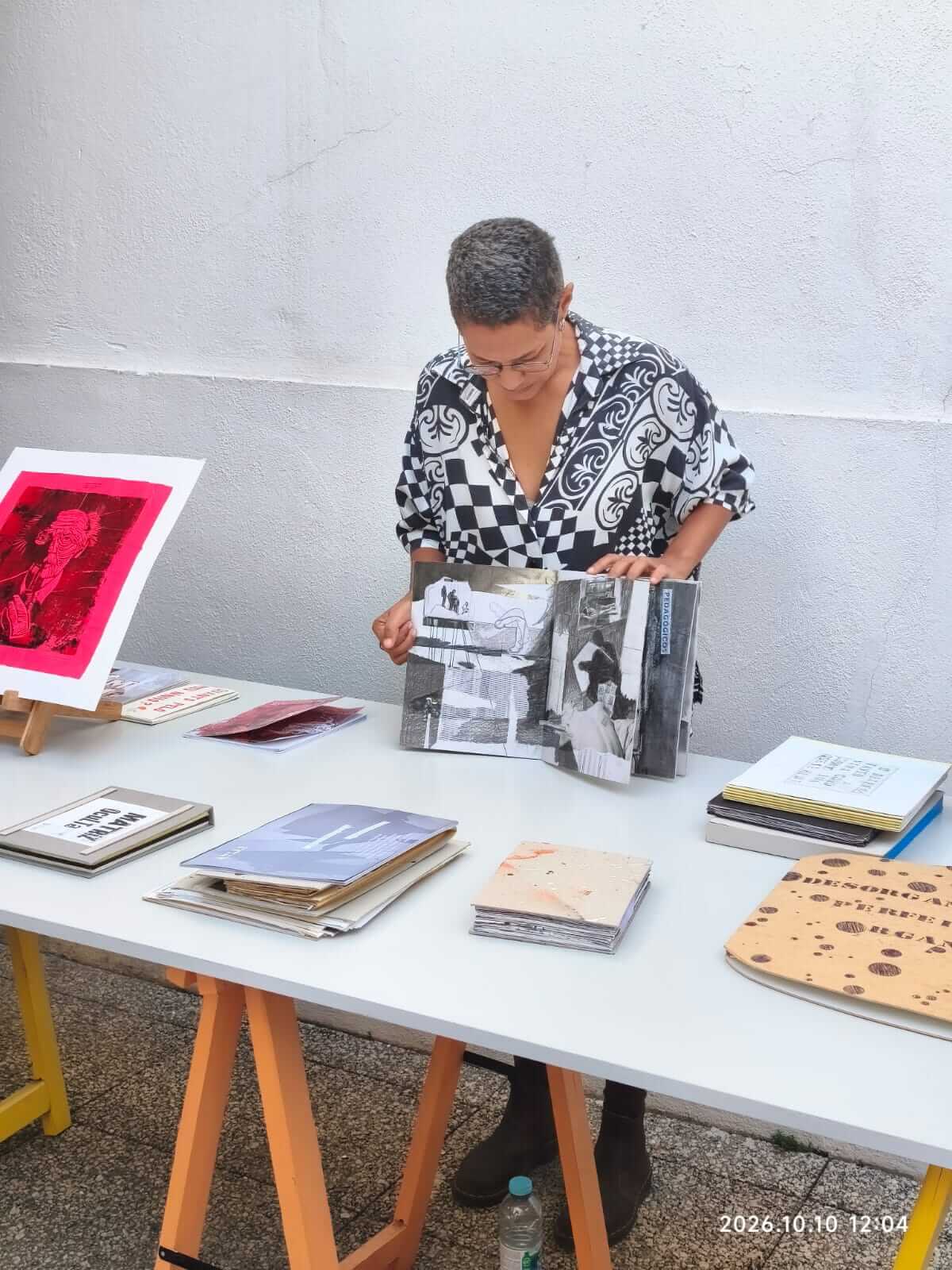
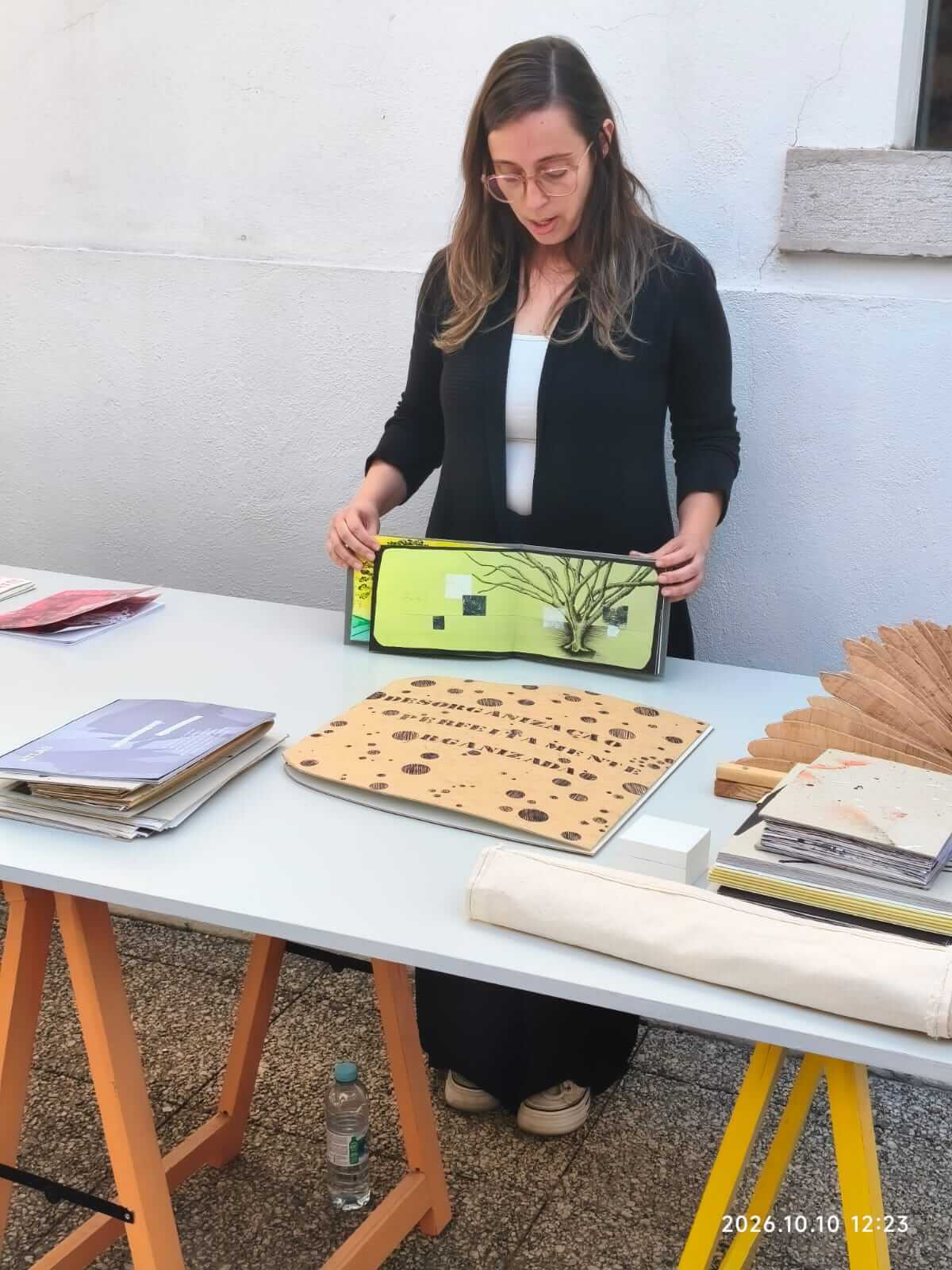
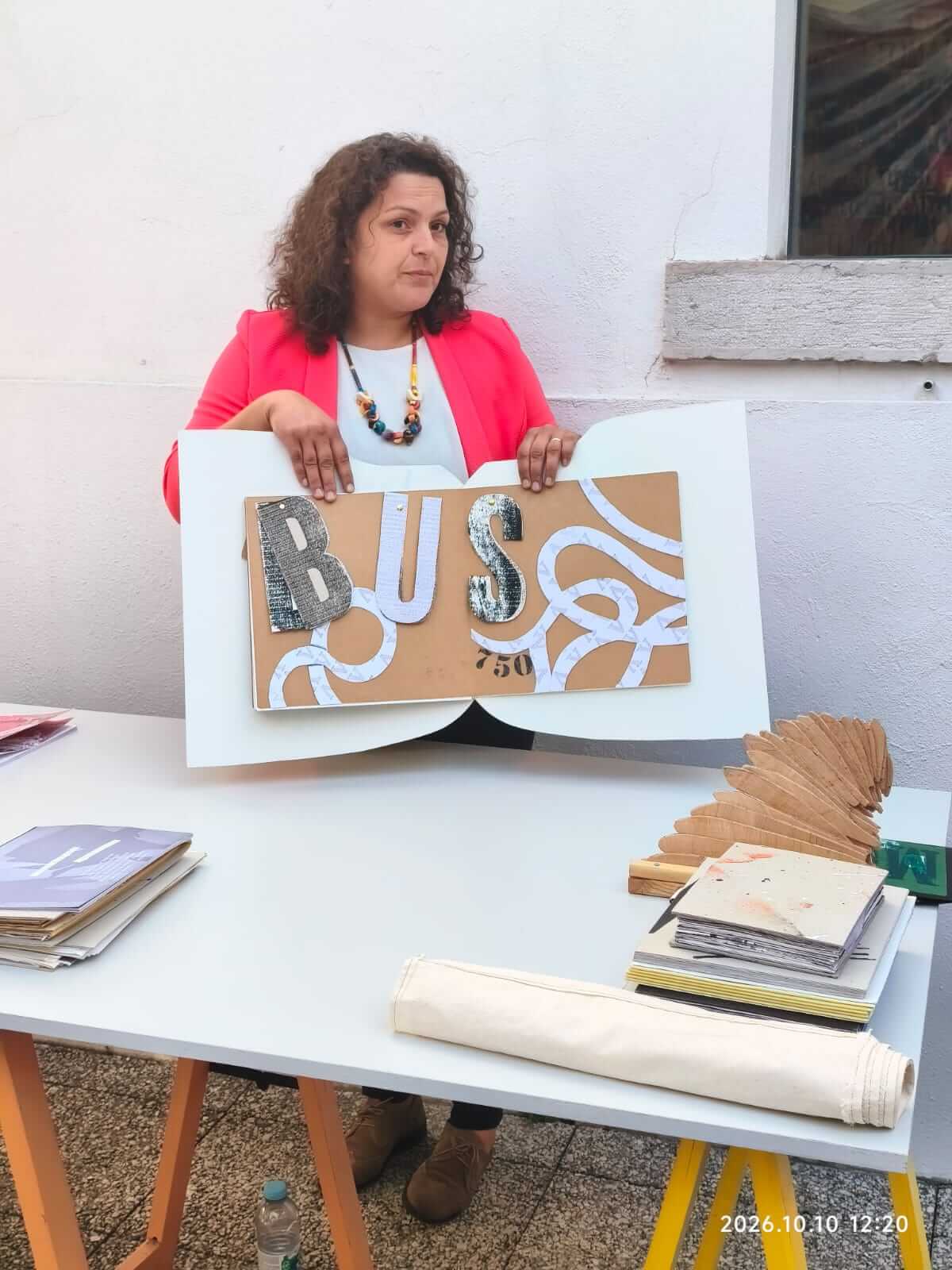
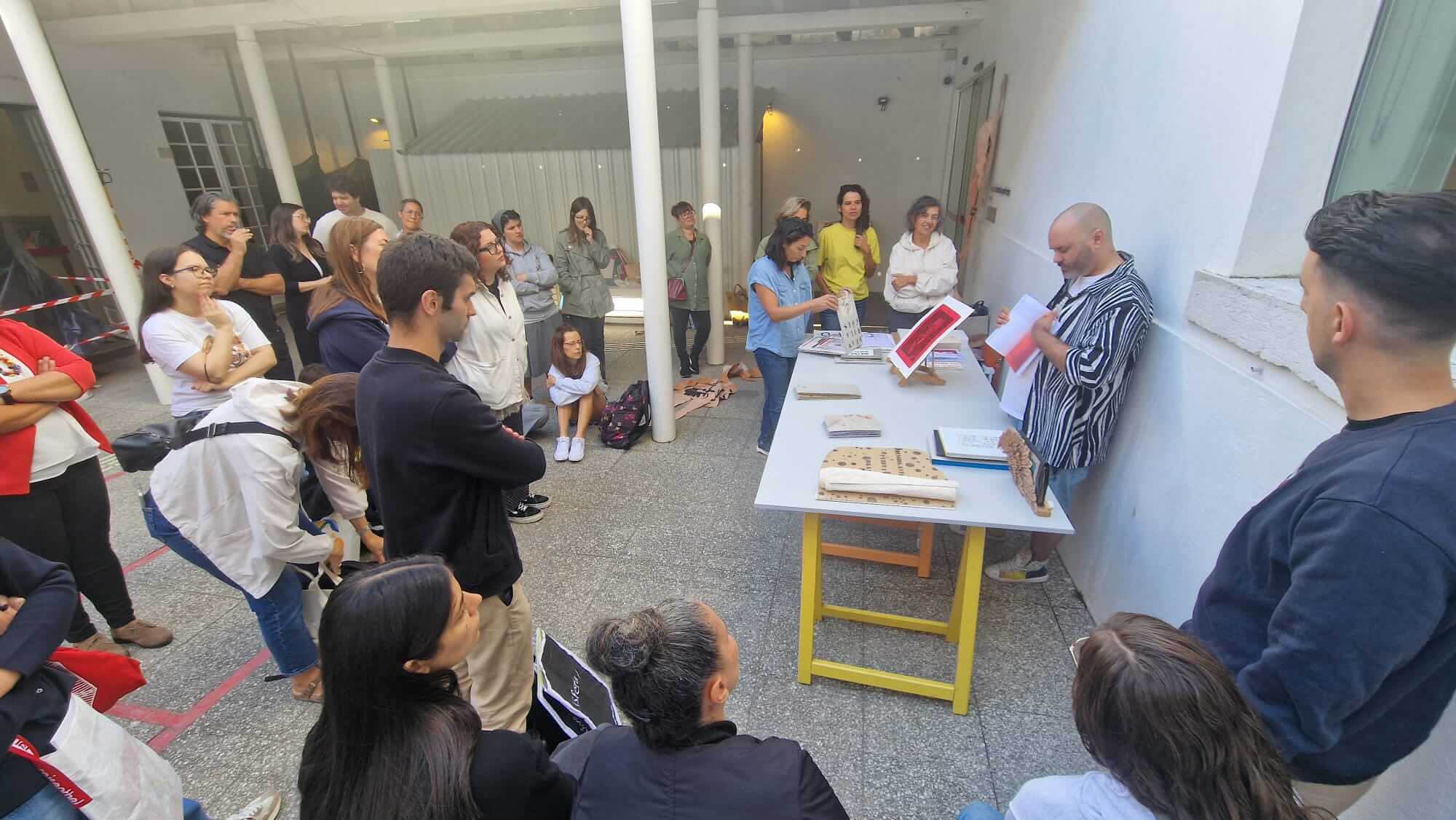
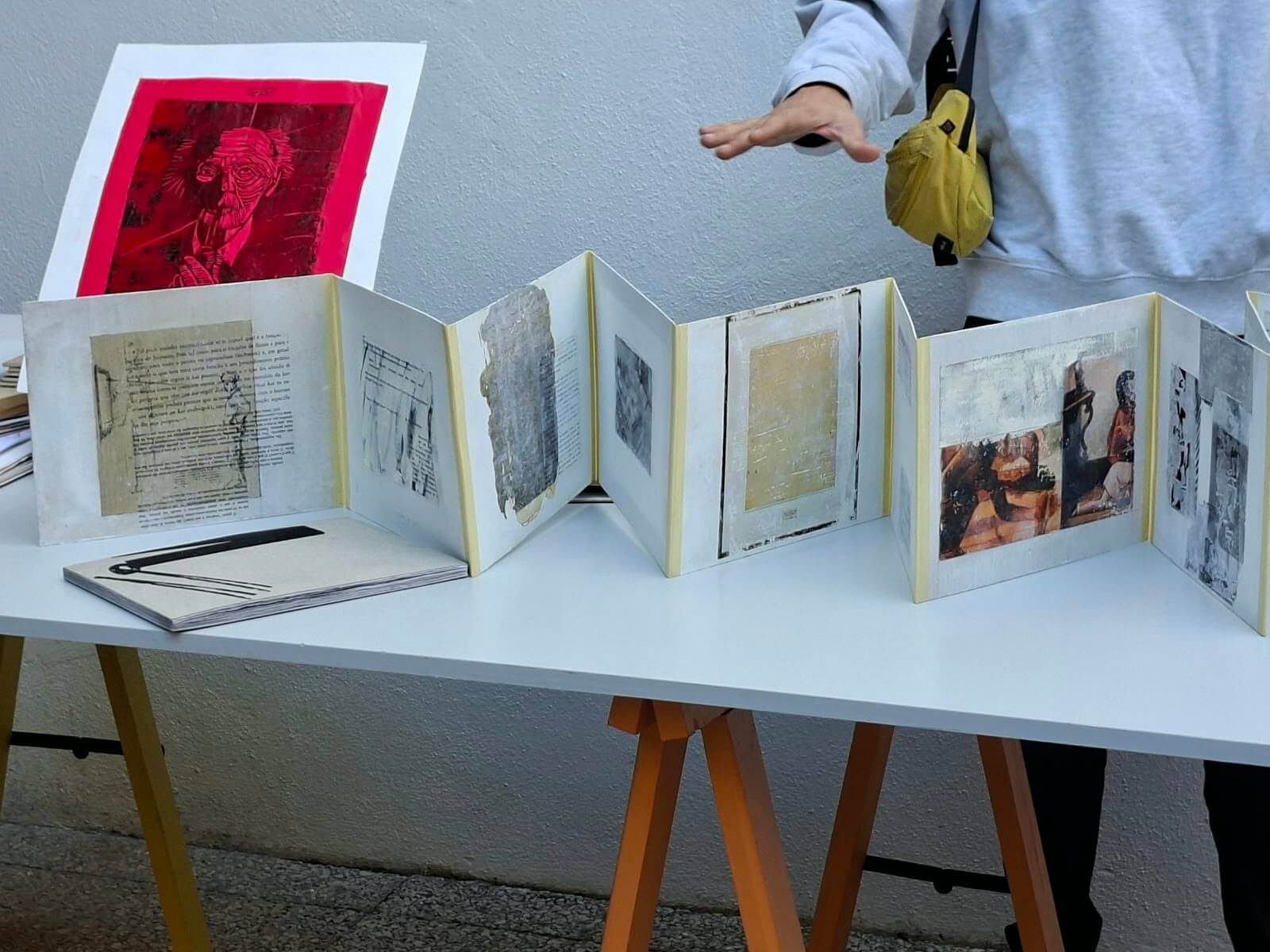
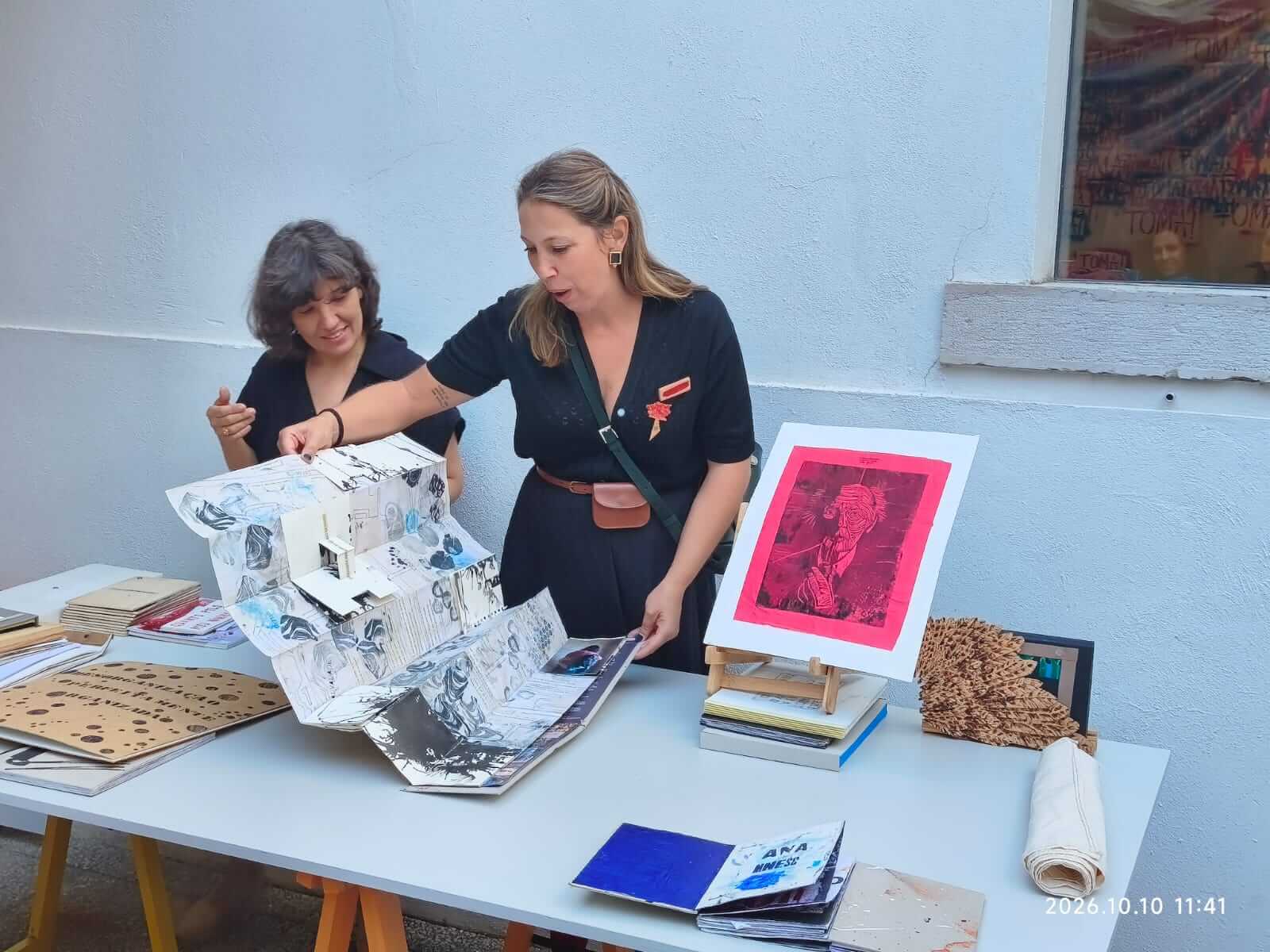
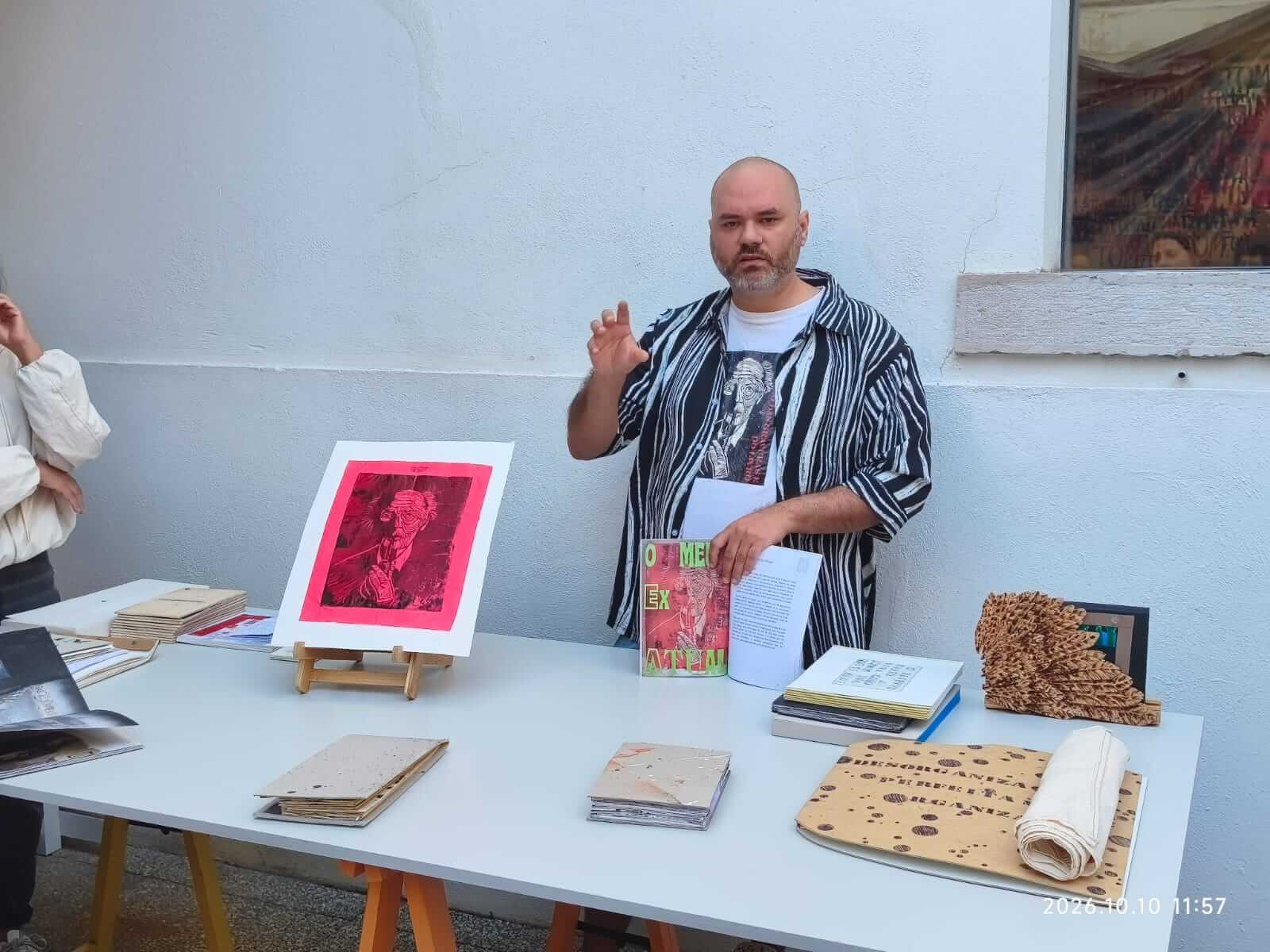
The Master’s in Visual Arts Education at Universidade Lusófona, in partnership with the Museu Bordalo Pinheiro in Lisbon, held an exhibition of subjective cartographies and artists’ books on 10 October, as part of a welcome session for new students on this programme.
The works presented were developed in the 2025/2026 academic year, in the curricular units Artistic Expression Workshop I and II, under the supervision of lecturers Inês Andrade Marques, Hugo Barata and Rita Carvalho. They were produced within the framework of the project Seed CeiED Território Vivo. A Escola como Laboratório Artístico do Comum: Investigações visuais sobre memória, espaço e pertença (Living Territory. The School as an Artistic Laboratory of the Commons: Visual investigations into memory, space and belonging), whose principal investigator is Professor Constança Vasconcelos.
The session took place throughout the morning and featured second-year students Sara Mateus, Rita Catarino, Ricardo Marcelino, Ana Correia, Marcelo Castro, Tânia Martinho, Susana Anastácio, Duarte Chambel, Mariana Neves, Cláudia Maldonado and Virgínia Roxo, who presented their work to their first-year peers. The conversations around the cartographies and the books made it possible to share research and creative processes, exploring the relationships between memory, space and belonging and their possibilities in visual arts education.
The meeting fostered dialogue between the two years of the master’s programme and the integration of the new students, while also strengthening the link between the University and the Museum. Such occasions help to consolidate the community of visual arts teachers trained at Universidade Lusófona. Through the sharing of artistic practices, experiences and pedagogical proposals, the master’s programme seeks to strengthen a collaborative network that extends beyond academic training and accompanies its students’ professional paths.