Events
40 years of the Education Act: Funchal discusses autonomy, European integration and the teaching profession
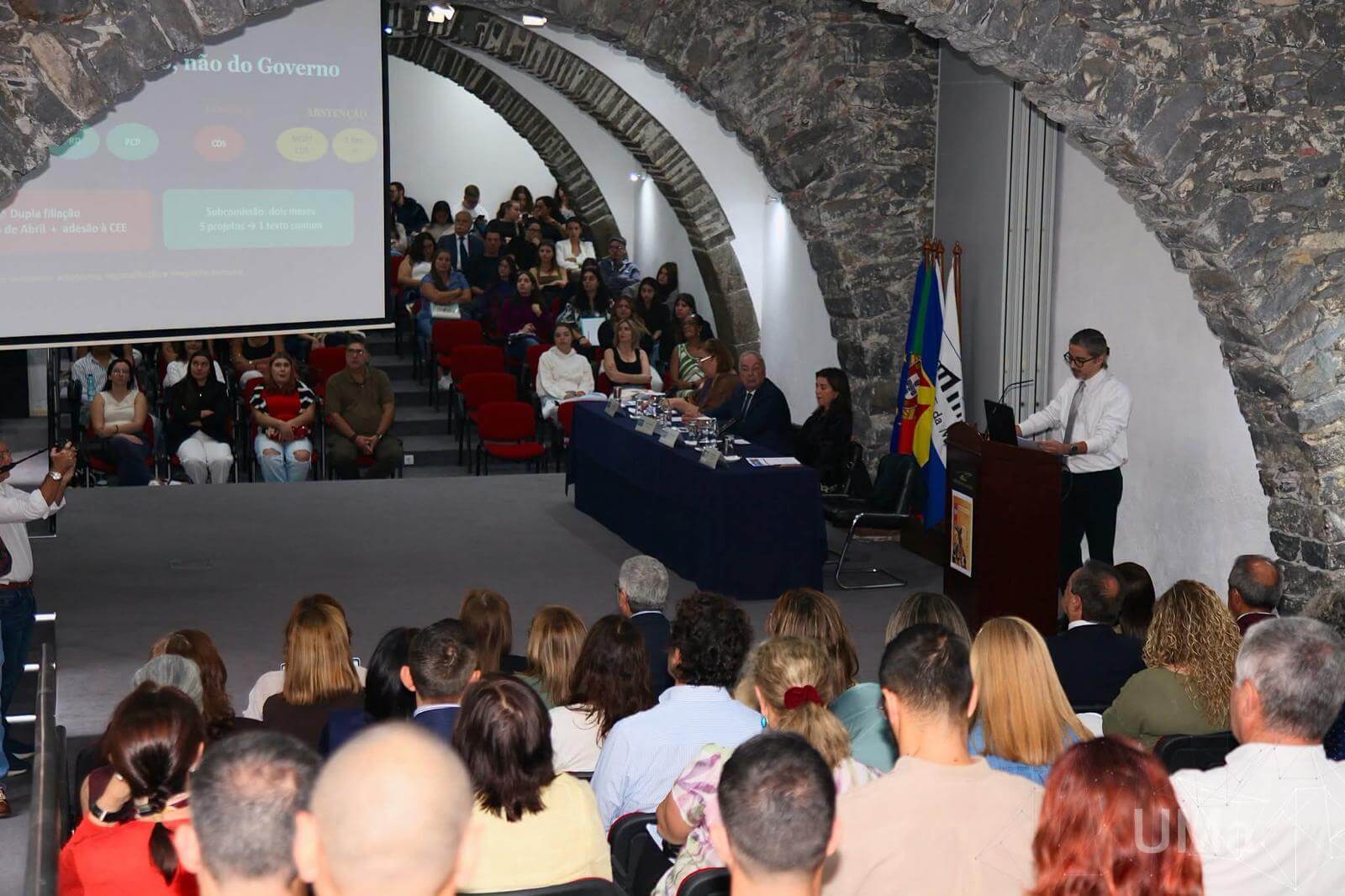
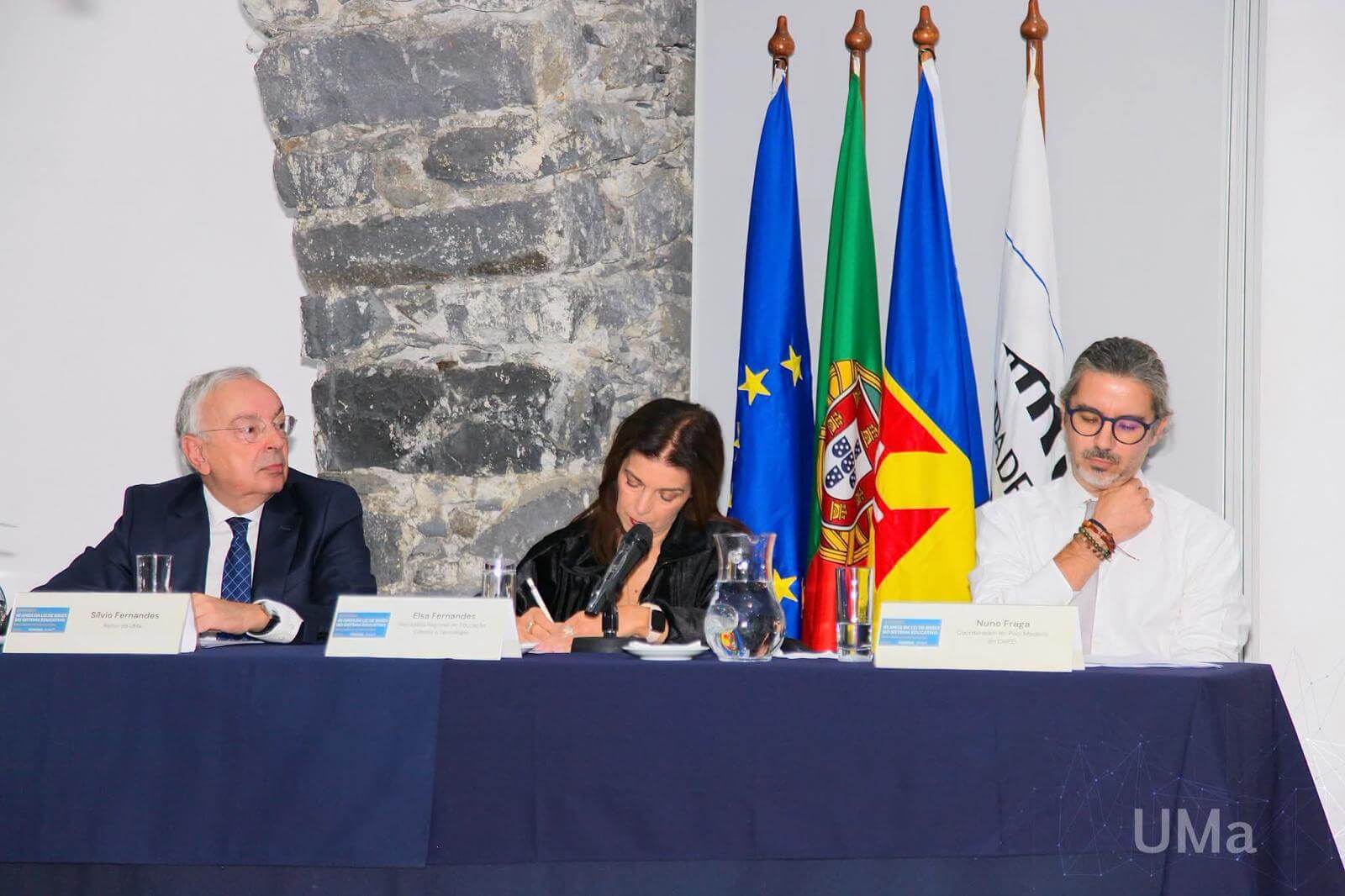
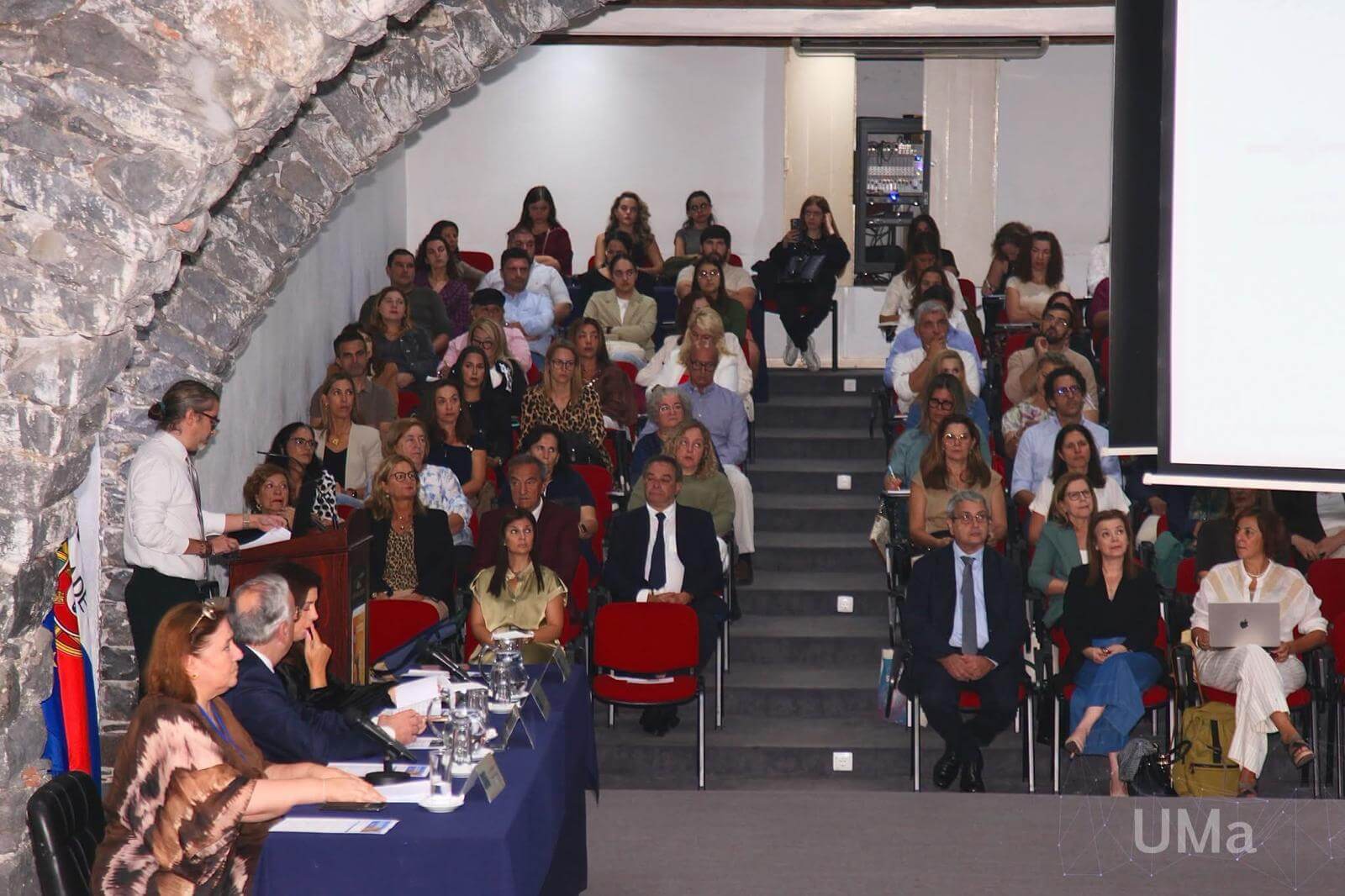
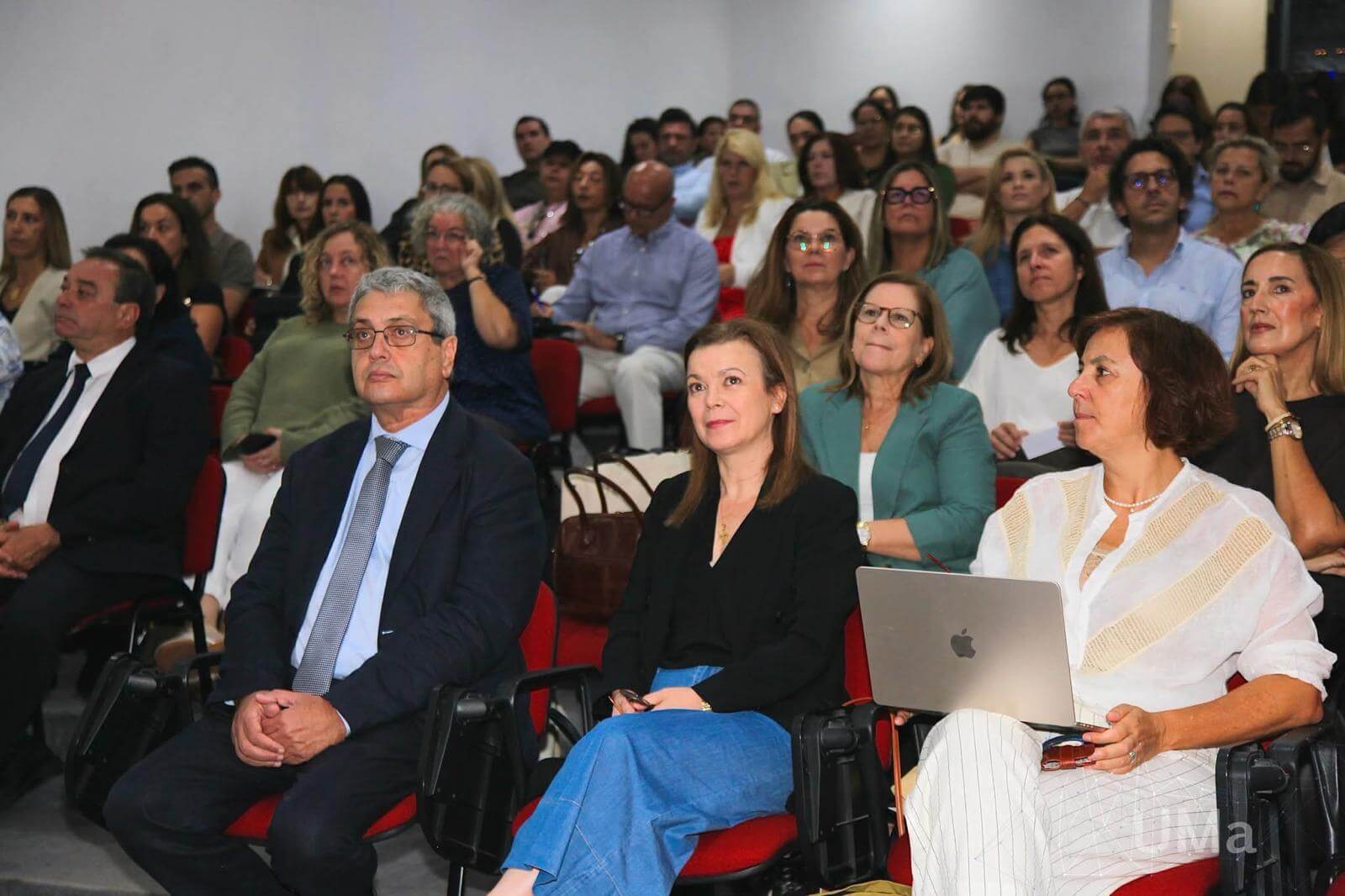
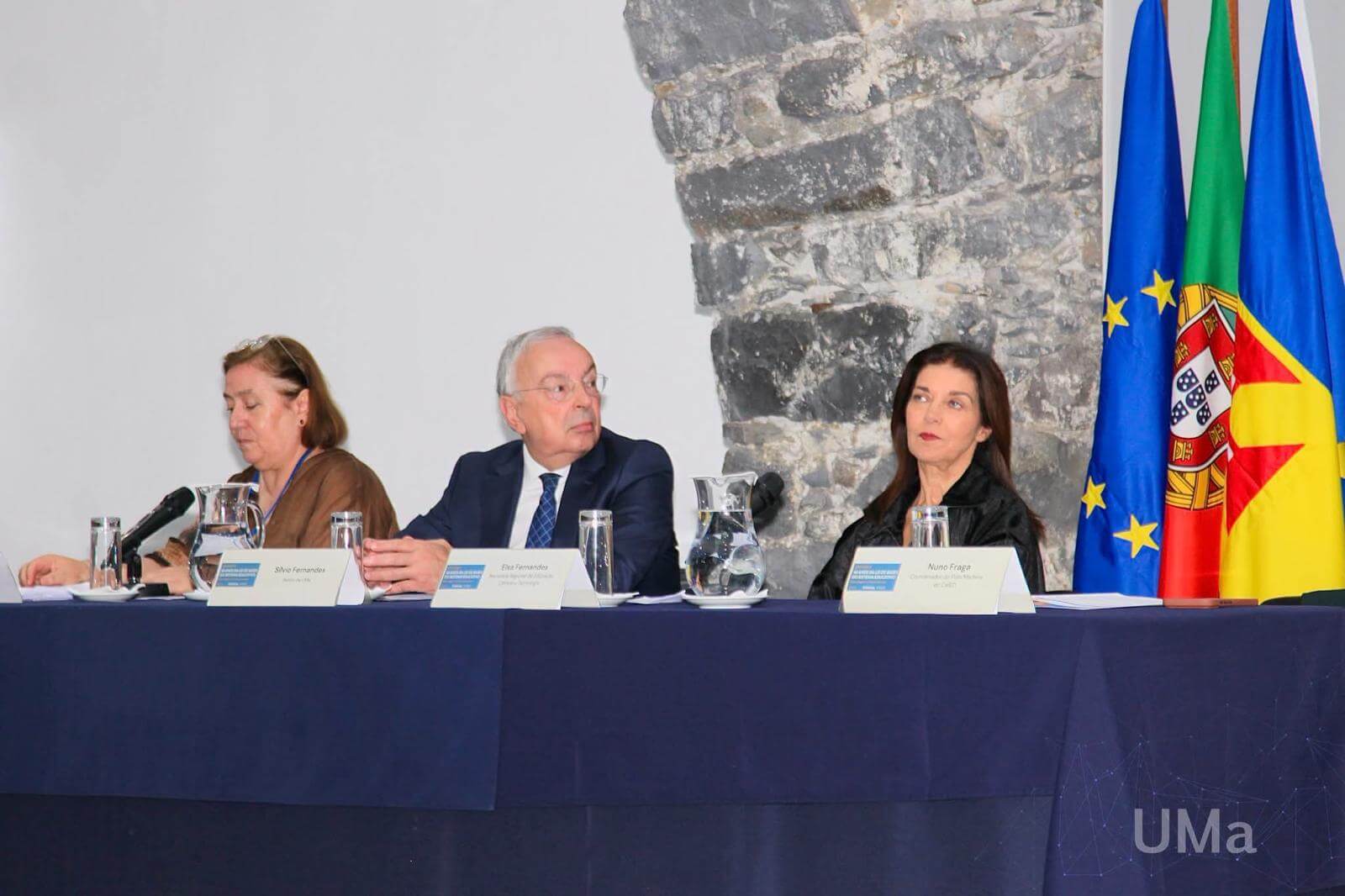
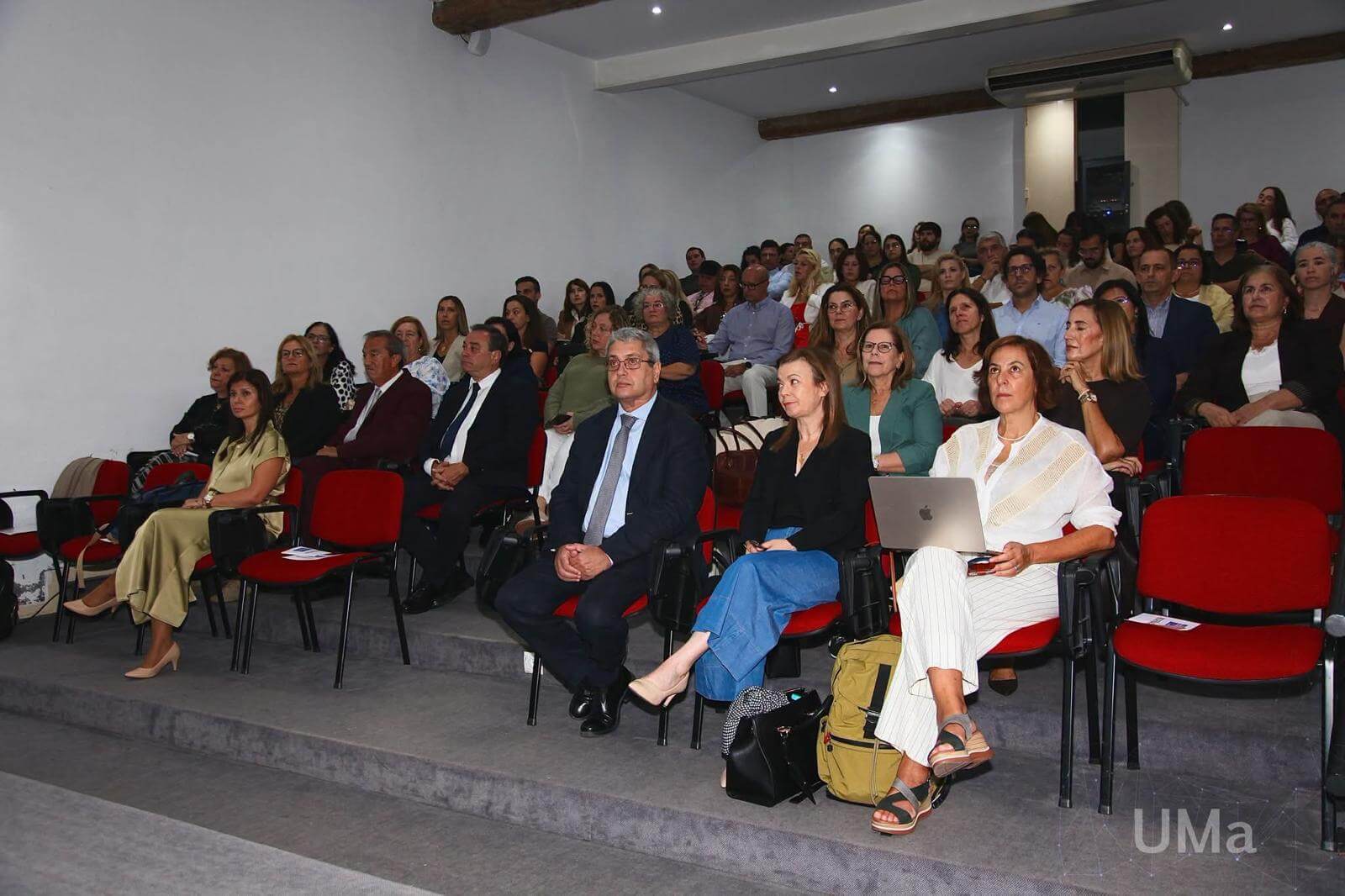
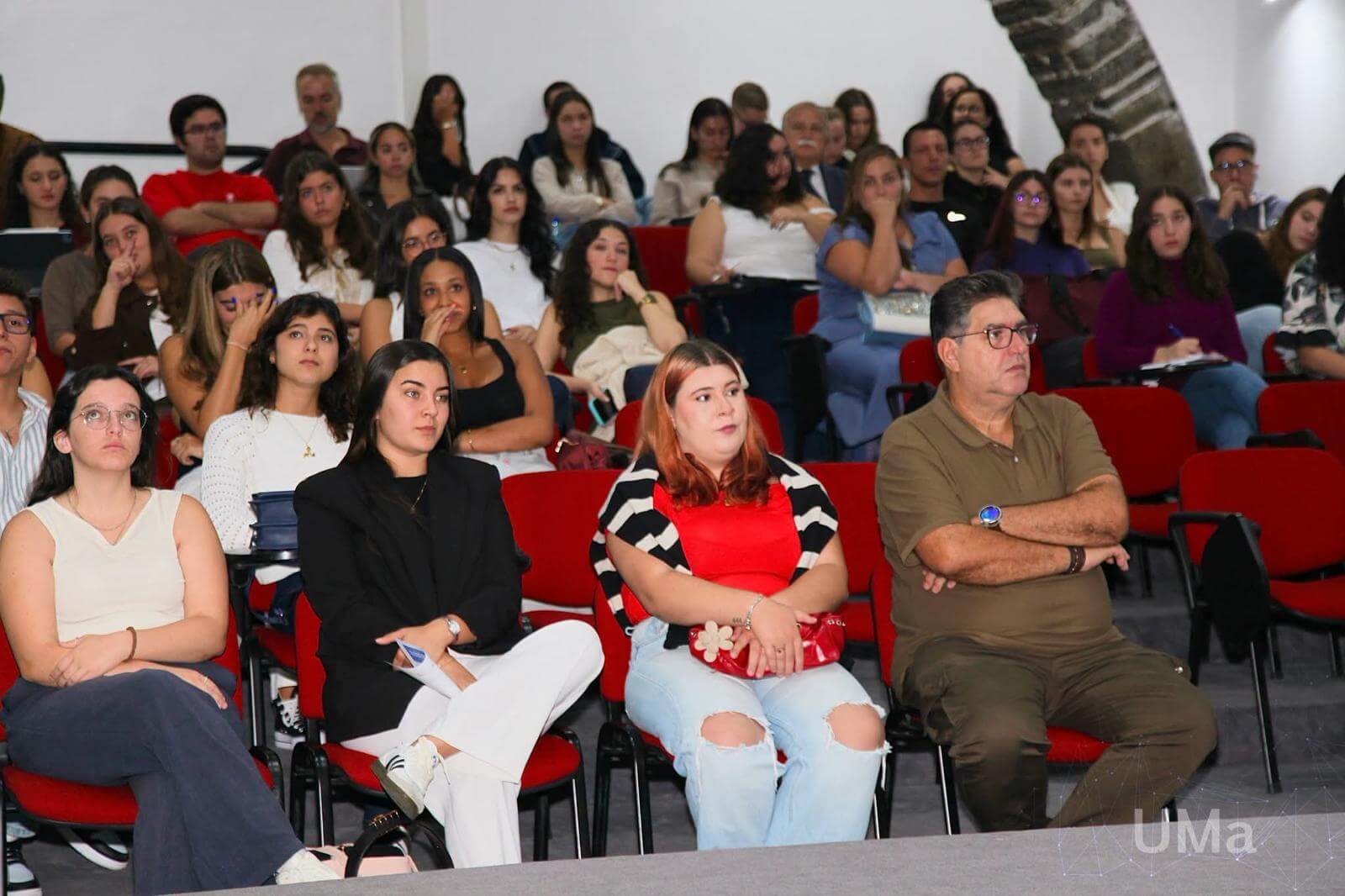
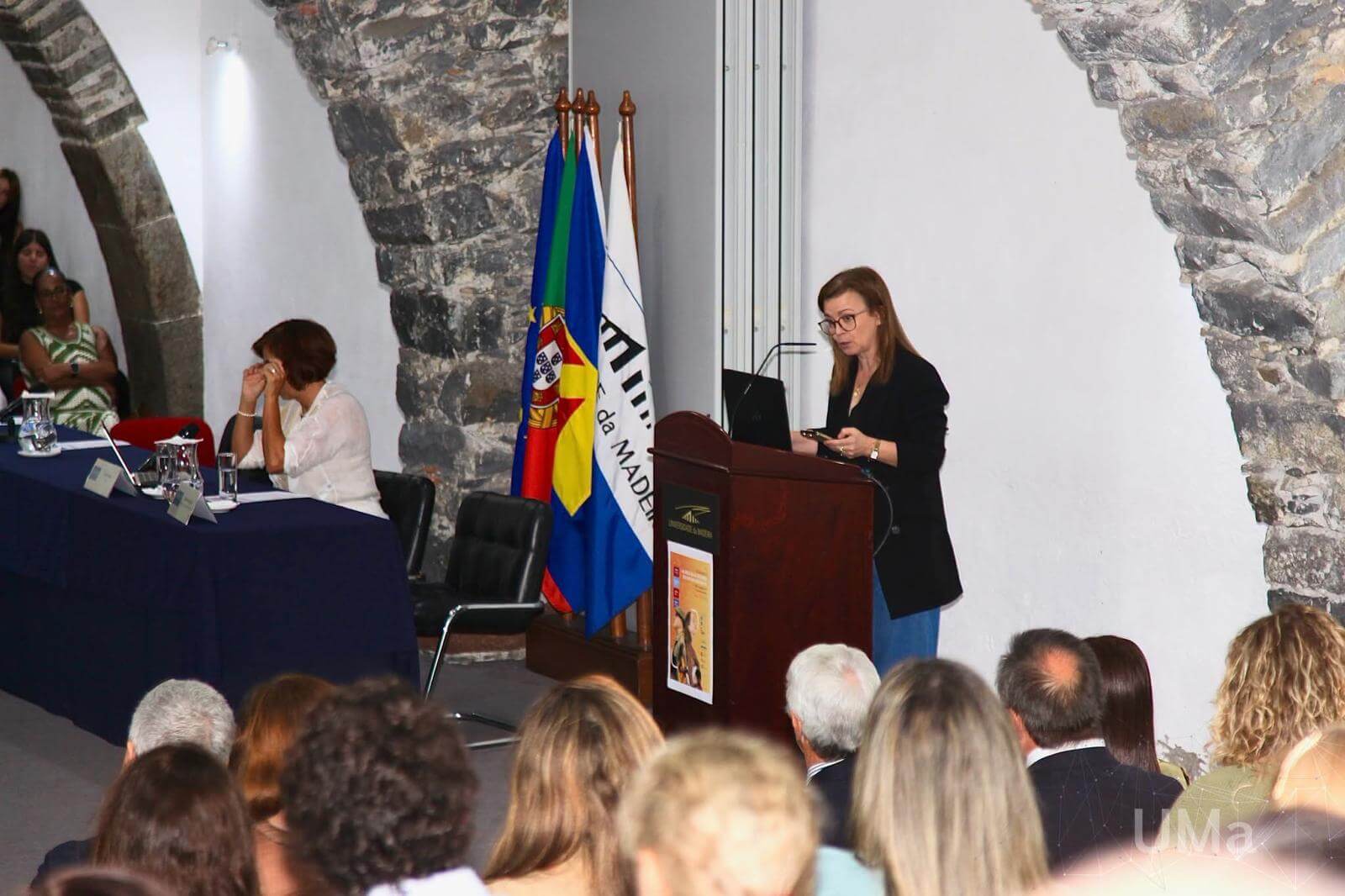
The seminar series marking the 40th anniversary of the Basic Law of the Education System (Lei de Bases do Sistema Educativo, LBSE) came to the University of Madeira, in Funchal, on 19 October. Researchers, policymakers, trade unionists and regional administration staff took stock of four decades of change in education in Madeira. The initiative is promoted by the research centres of Lusófona University, through CeiED, the University of Madeira and the University of Évora, under the High Patronage of the President of the Republic. This session focused on regional autonomy, European integration and the teaching profession.
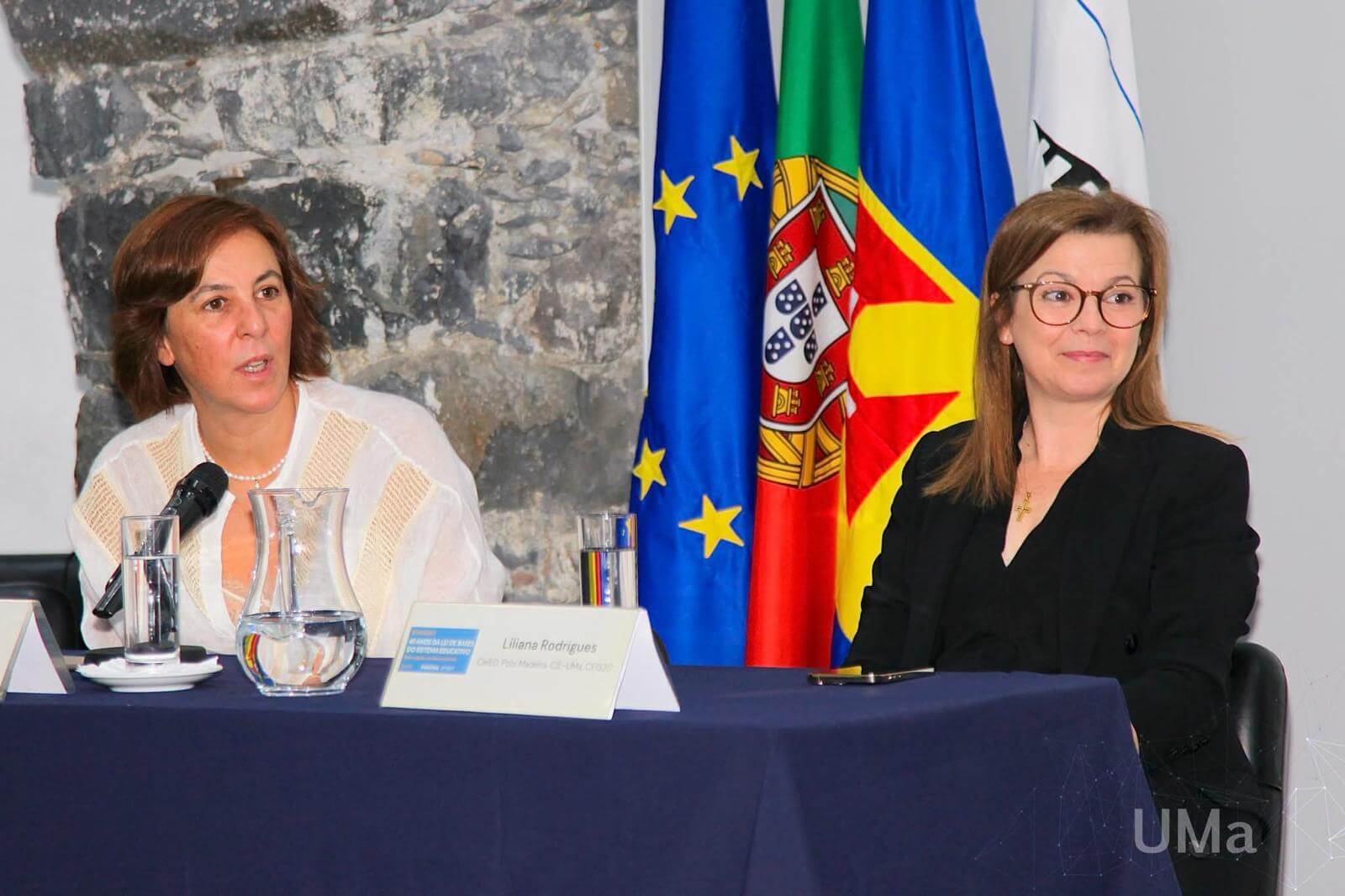
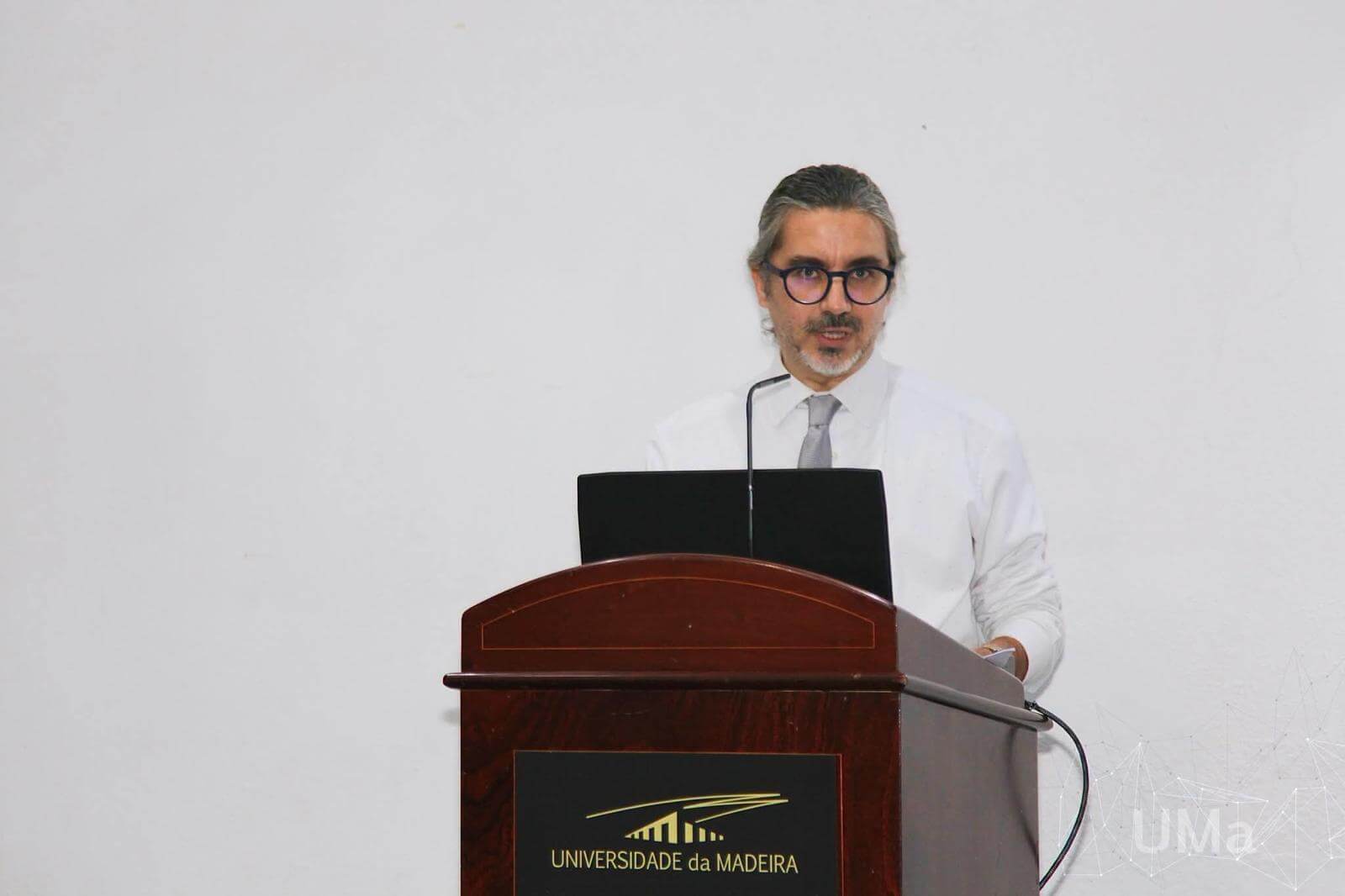
At the opening, Nuno Fraga recalled that the LBSE was born of compromise rather than unanimity. He argued that its unfinished nature is a virtue, as it allows each generation to add what must not be lost. Liliana Rodrigues stressed that the law was passed in the same year Portugal joined the European Community, which made education a project of democracy and modernisation. She also pointed out that, in the outermost regions, equal opportunities require positive discrimination, and that autonomy without resources can widen inequalities.
Many of the talks described the path the region has built through its autonomy. Speakers referred to the Full-Time School (Escola a Tempo Inteiro), launched in 1995 and extended to all schools in 2013. They also mentioned the placing of early childhood education under the Education department, alternative curricula leading to dual certification, and an early commitment to arts education and school sport. The figures show the scale of the change: illiteracy fell from 55% in 1976 to around 4.5% in 2021, and Madeiran students went from the lowest national results in PISA in 2000 to results above the mainland average in 2022.
The teaching profession was a recurring theme throughout the day. Rita Pestana highlighted the role of the trade union movement in building a democratic public school and criticised the growing bureaucracy in teachers' work. Elsa Freitas argued that the way forward lies in continuous, collaborative professional development grounded in teacher agency, rather than simply more training. Maria José Camacho drew attention to weaknesses in specialised training for inclusive education.
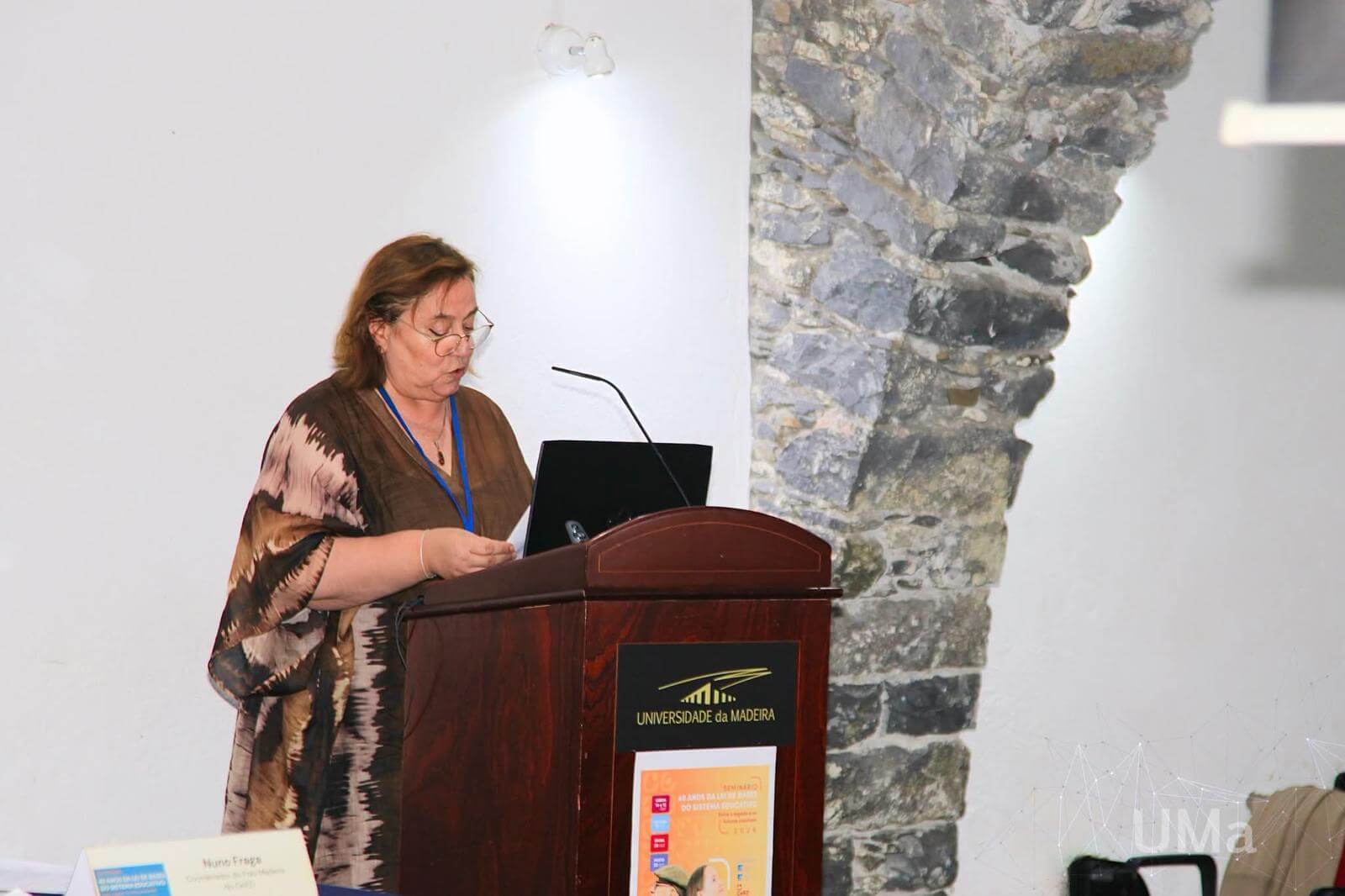
In her address, the Regional Secretary for Education, Science and Technology, Elsa Fernandes, identified three challenges: moving from digitalisation to pedagogical transformation, understanding equal opportunities as a response to each student, and seeing demographic decline as an opportunity to rethink schooling. Throughout the day, several challenges were addressed to the academic community, such as deepening research on curriculum, teaching careers and school management, and developing a field of Island Studies.
The series continues in Évora on 29 October, focusing on curriculum, culture and the challenges facing the education system, and concludes in Porto on 30 October with a debate on education, qualifications, social justice and governance.