News
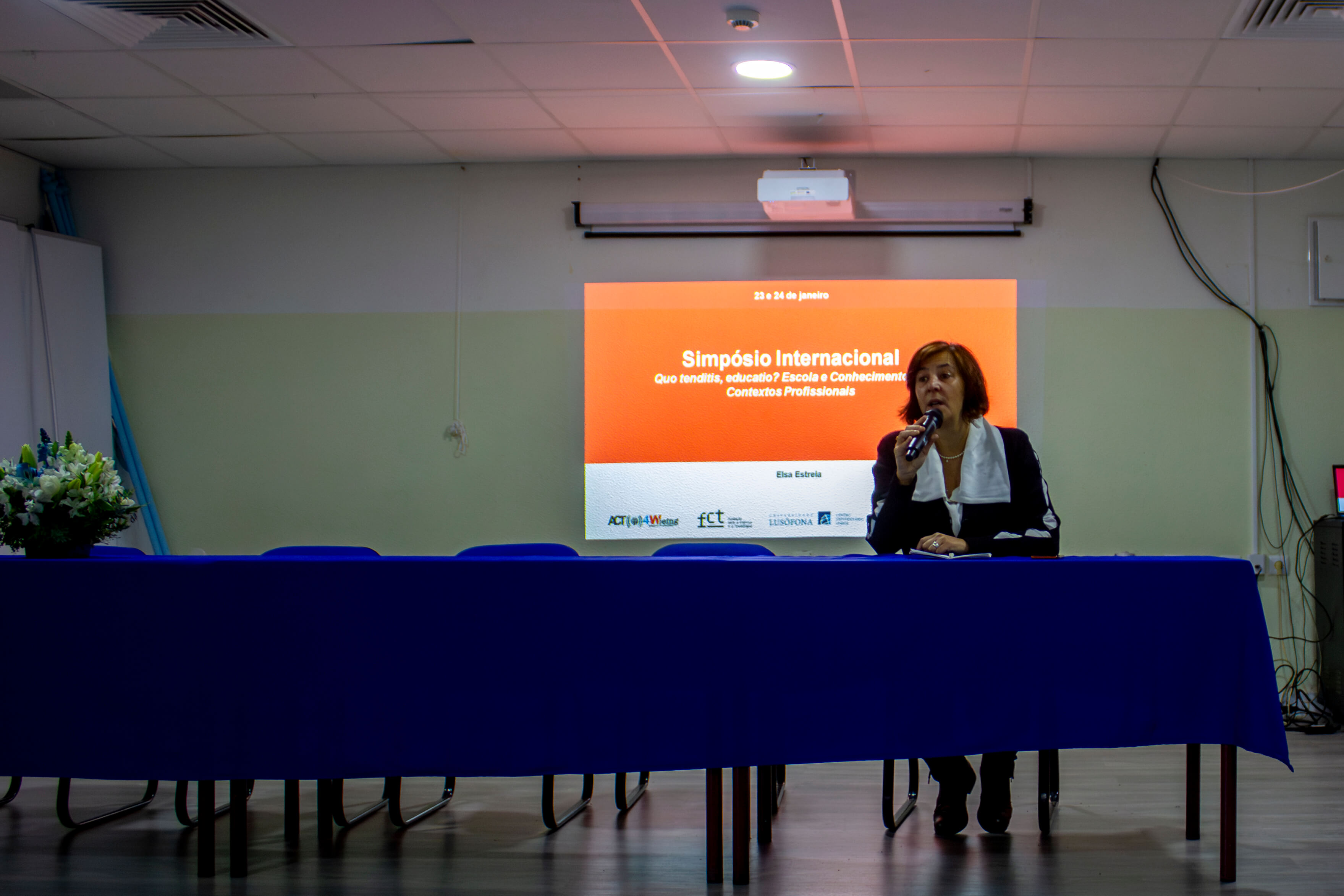
Universidade Lusófona hosts the International Symposium "Quo tenditis, educatio?"
23 and 24 january 2025
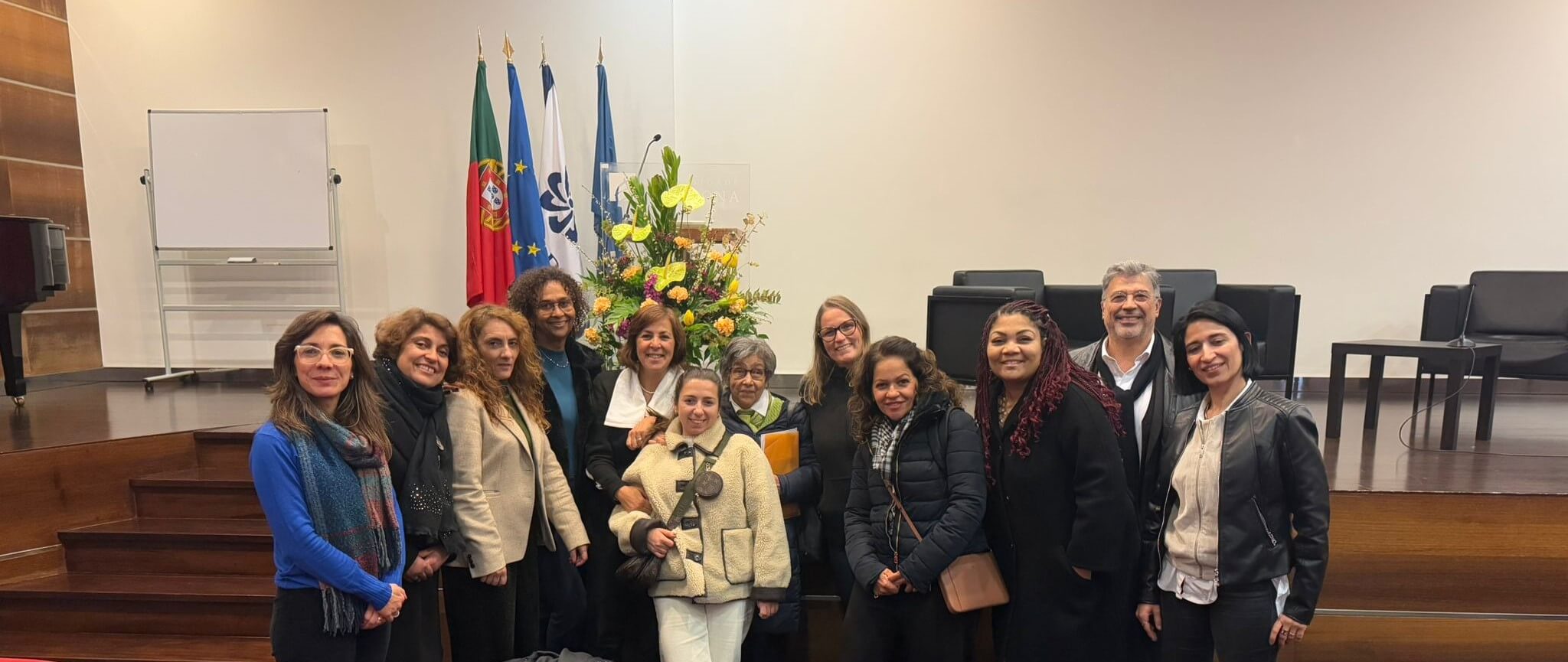
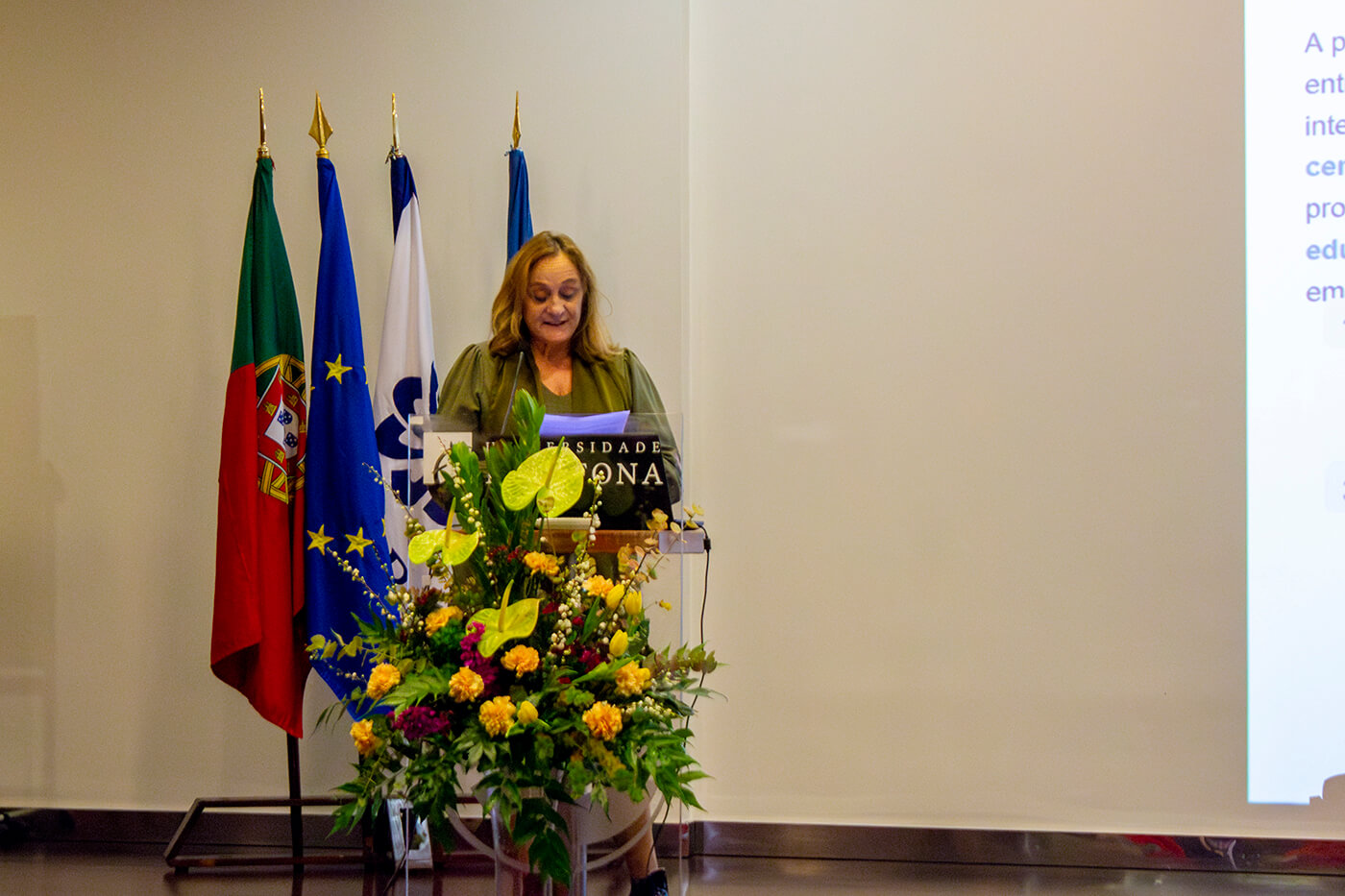
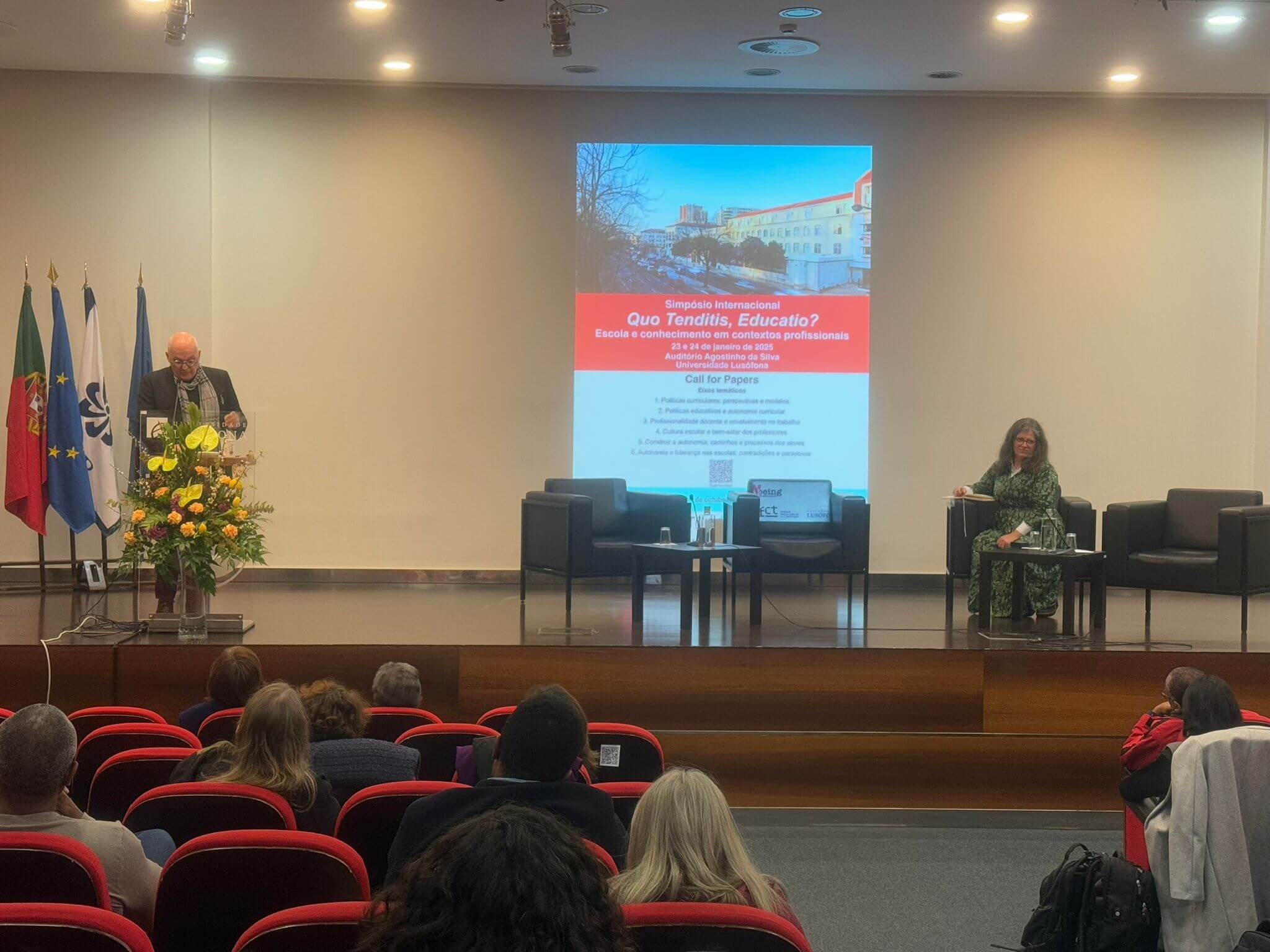
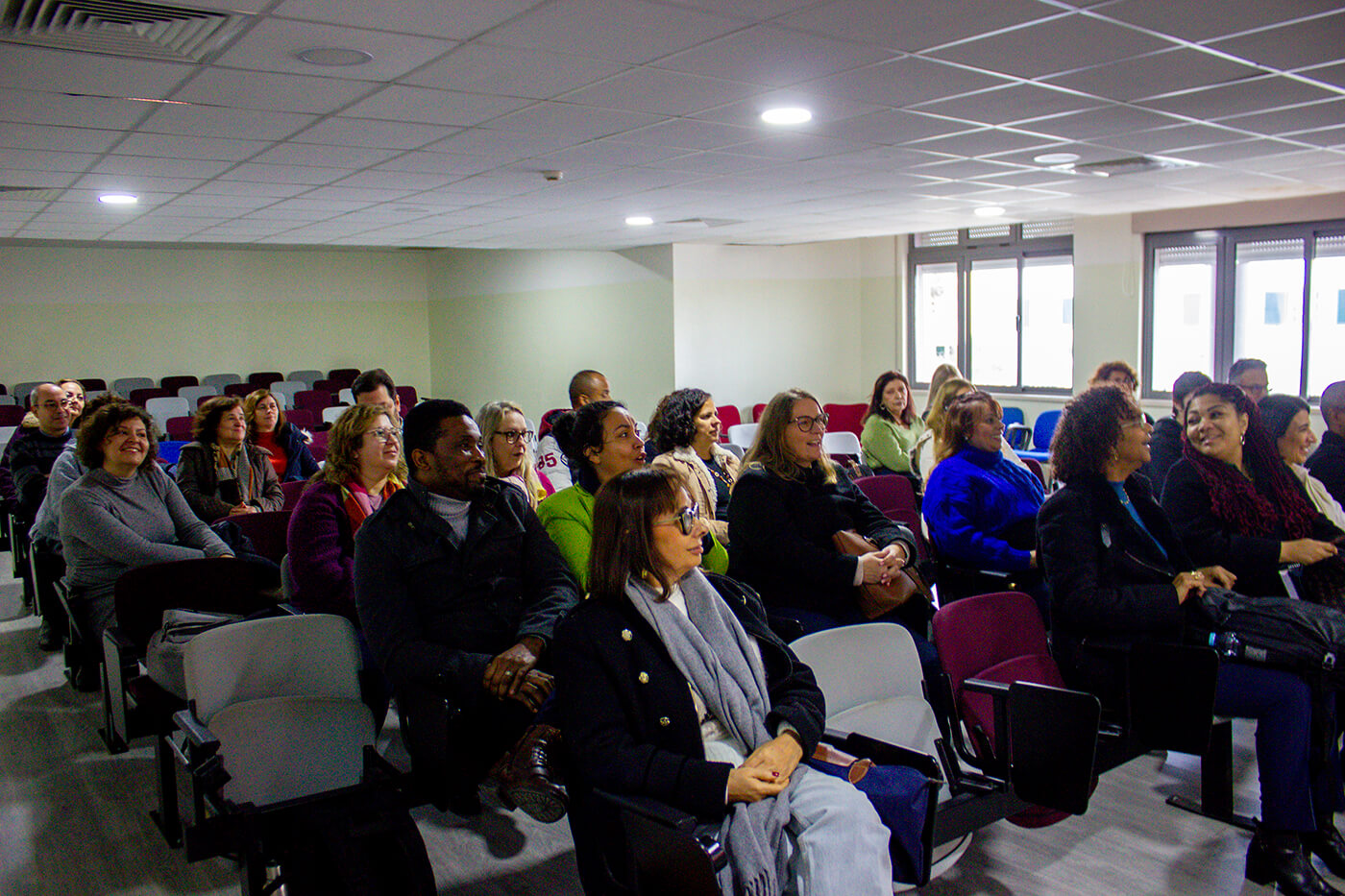
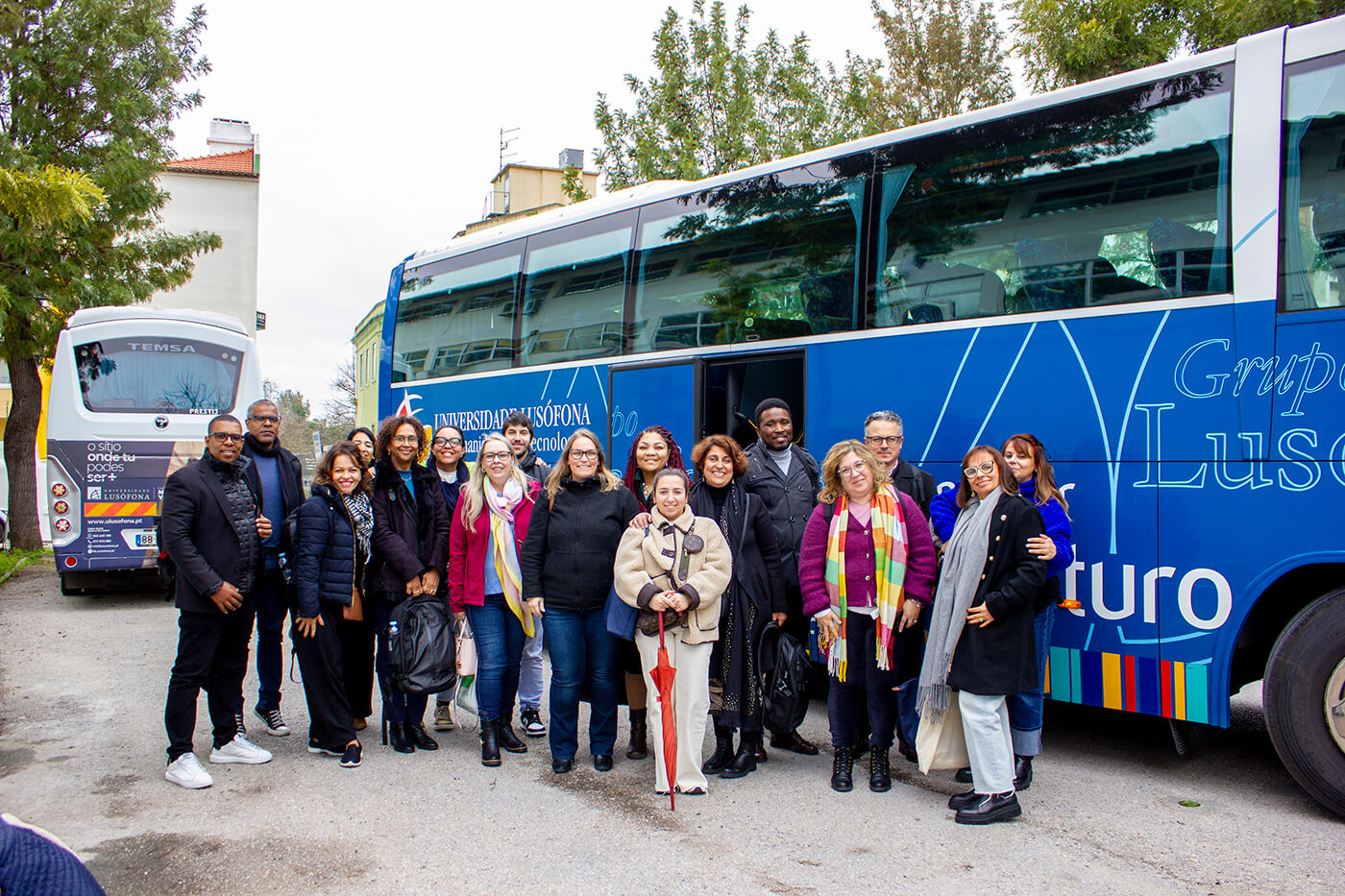
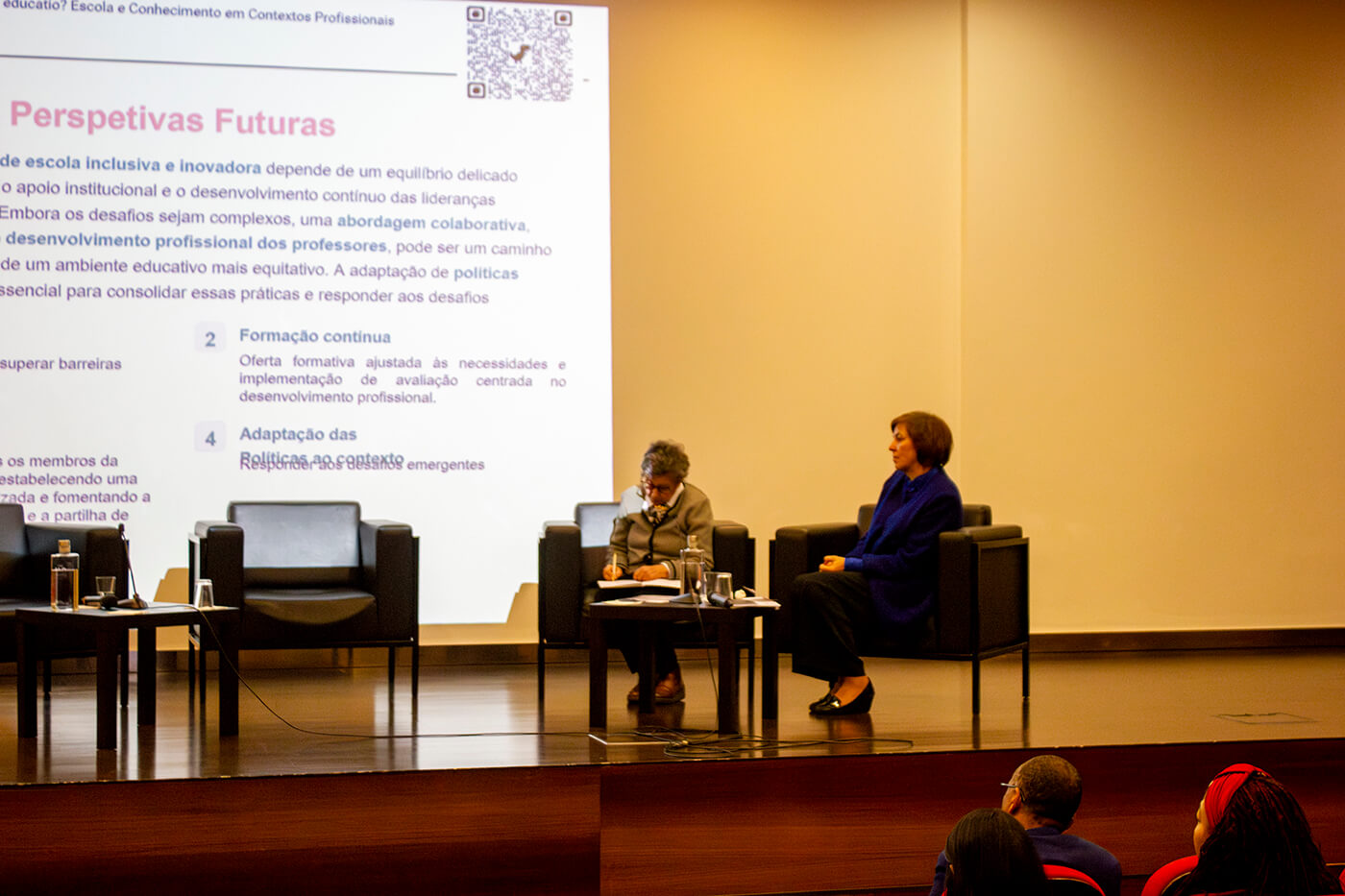
On January 23rd and 24th, 2025, Universidade Lusófona hosted the International Symposium "Quo tenditis, educatio? School and Knowledge in Professional Contexts," organized as part of the ACT4WBeing project – Times of change and changing times: a study of the relationship between curriculum autonomy, work engagement and teacher well-being. The event featured approximately 80 participants over two days and included 34 presentations distributed across parallel sessions.
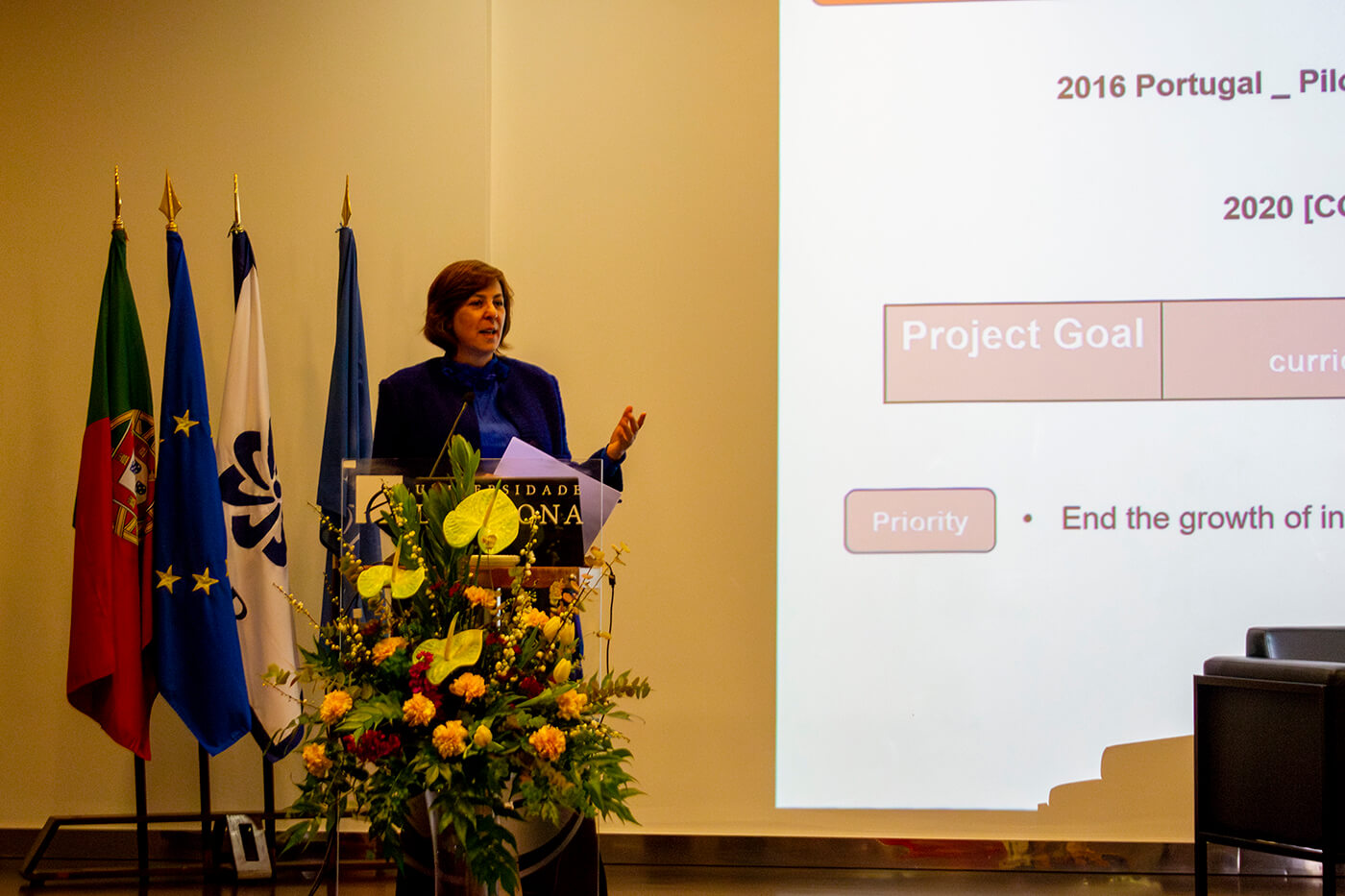
In addition to presenting the results of the ACT4WBeing project, the symposium aimed to promote the sharing and discussion of research in the Educational Sciences, with a focus on Curriculum Studies, School Organization, and Teacher Professionalism.
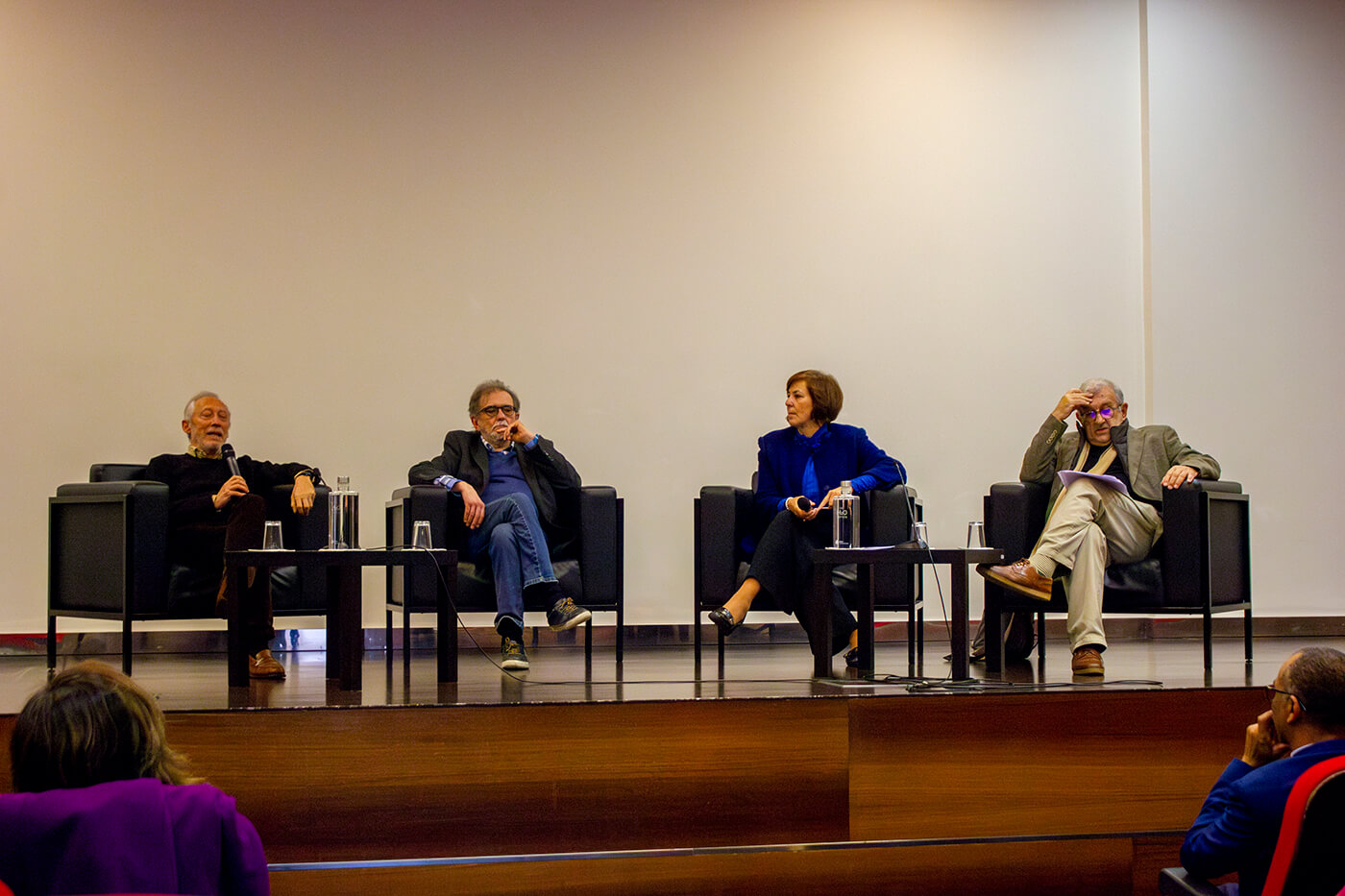
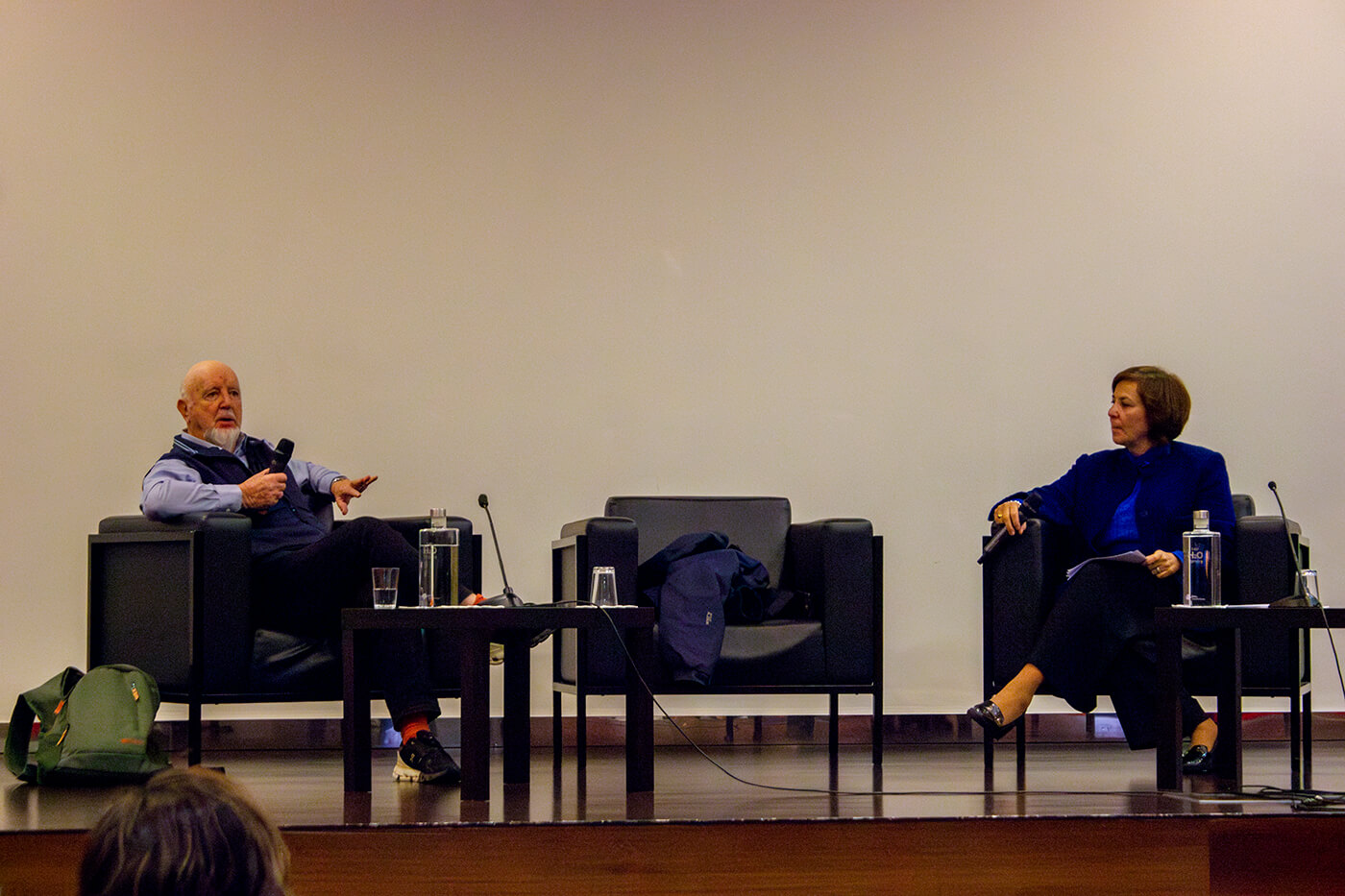
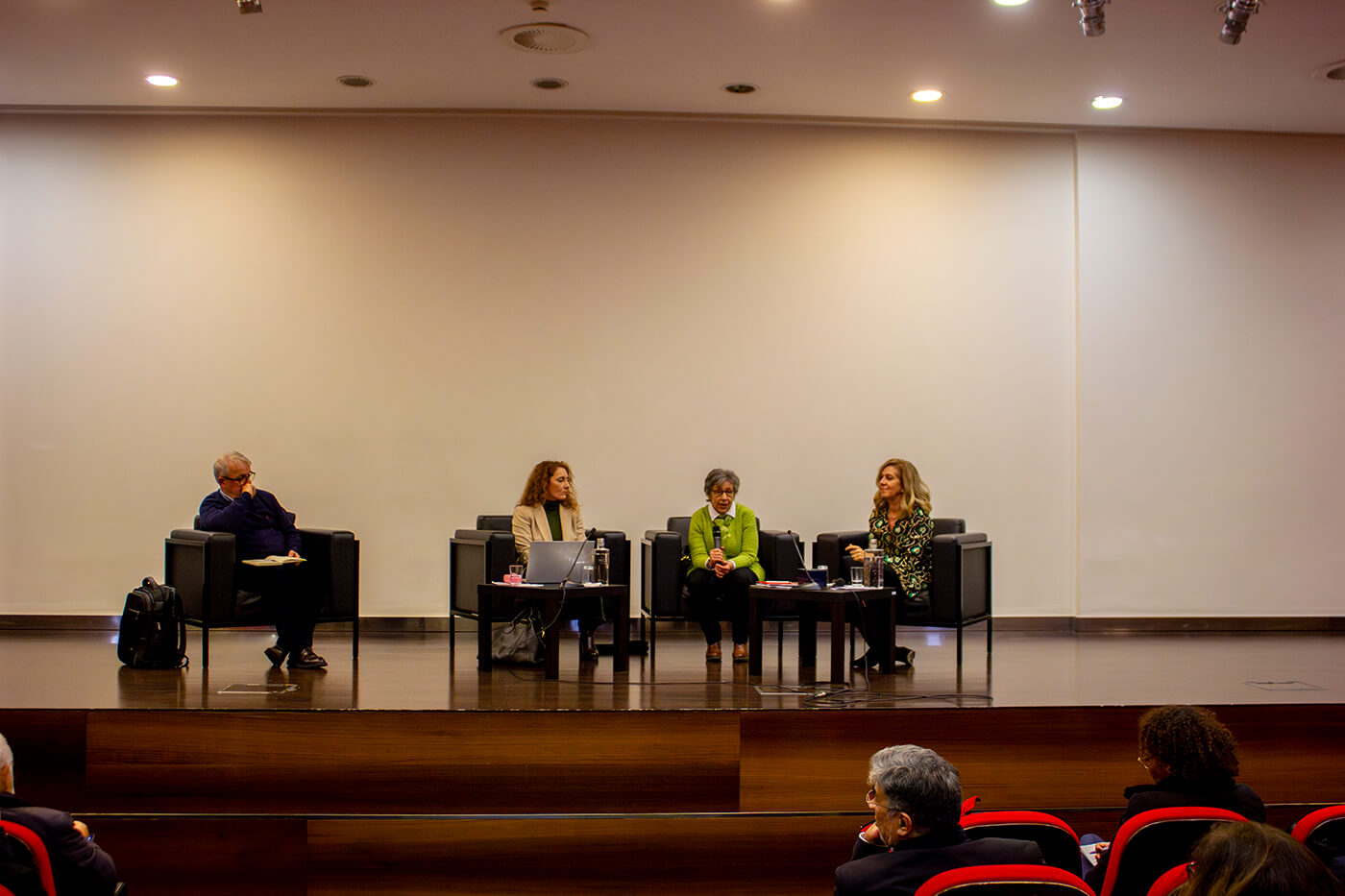
Among the international guests, Carl Anders Säfström, Professor of Educational Research and Director of the Center for Public and Pedagogical Education at Maynooth University, and Ivor Goodson, Emeritus Professor of Learning Theory at the Education Research Center of the University of Brighton, stood out. The national guests included Alexandra Marques Pinto, Associate Professor with tenure from the Faculty of Psychology at the University of Lisbon, Sílvia Almeida, Assistant Professor from the Faculty of Social and Human Sciences at Universidade Nova de Lisboa, and Rui Trindade, Associate Professor with tenure from the Faculty of Psychology and Educational Sciences at the University of Porto.
The event provided a space for reflection and debate on fundamental issues in contemporary education, such as the type of education desired for young people, the assumptions that should guide teaching, the organization of school institutions, and the role of teachers. With the presence of school principals and directors of teacher training centers, participants were encouraged to challenge political decision-makers, school organizations, and other educational stakeholders on current educational policies and practices.
The symposium was deemed a success by both organizers and participants, who highlighted the importance of such events for promoting knowledge and improving educational practices. It is expected that future biennial events will continue to foster dialogue and collaboration among researchers, teachers, and other educational professionals.