


News




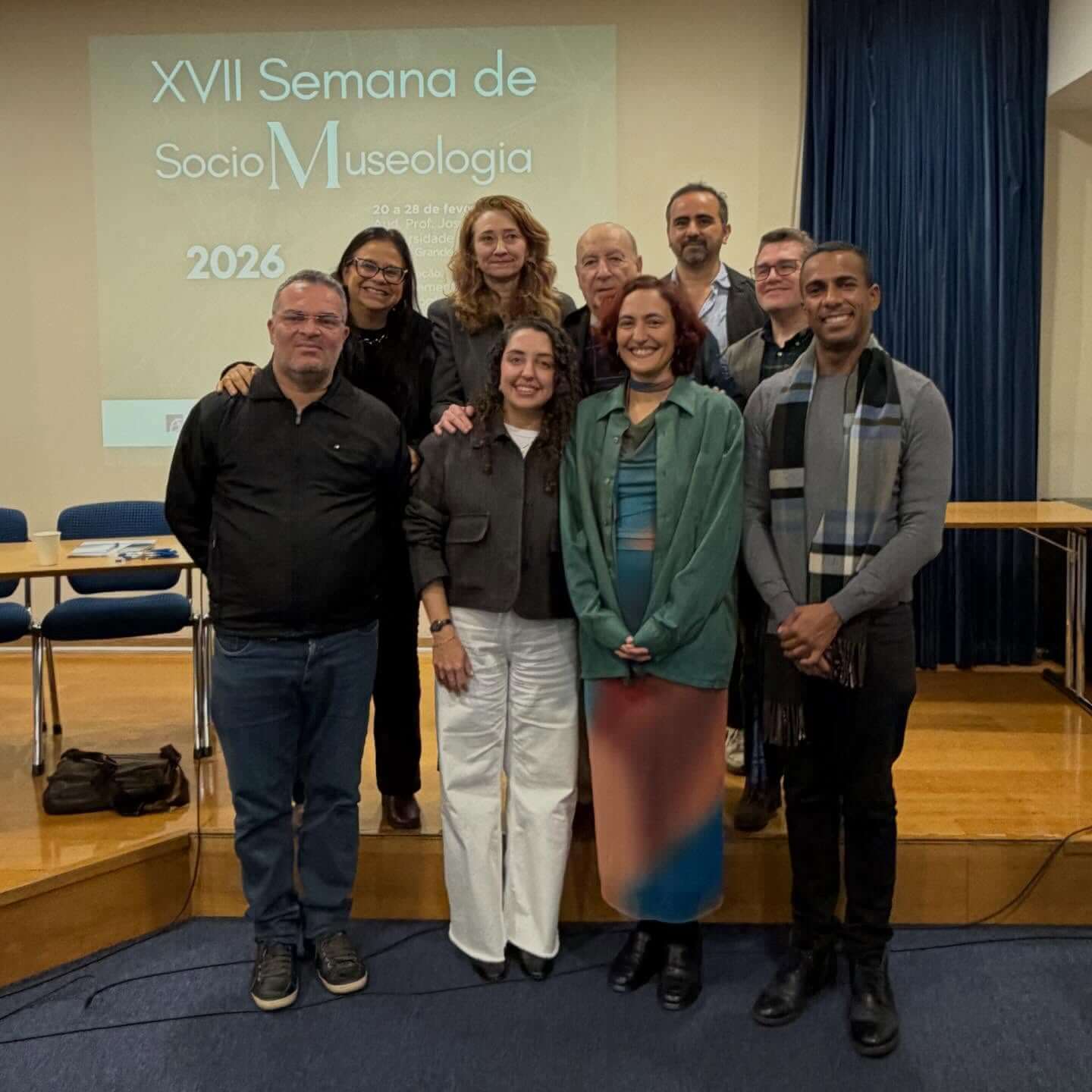
New Perspectives in Sociomuseology: Four outstanding theses defended at Universidade Lusófon
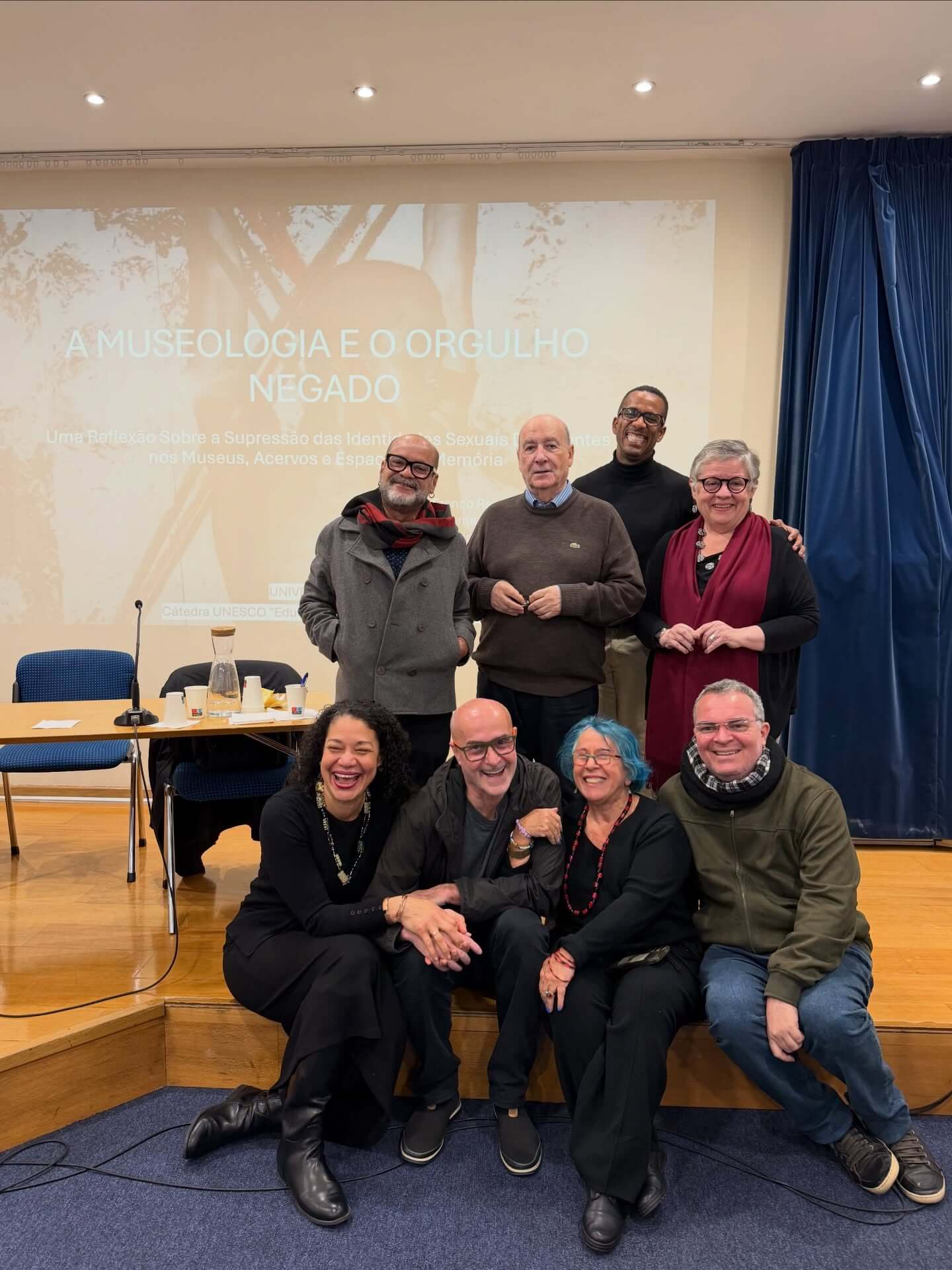
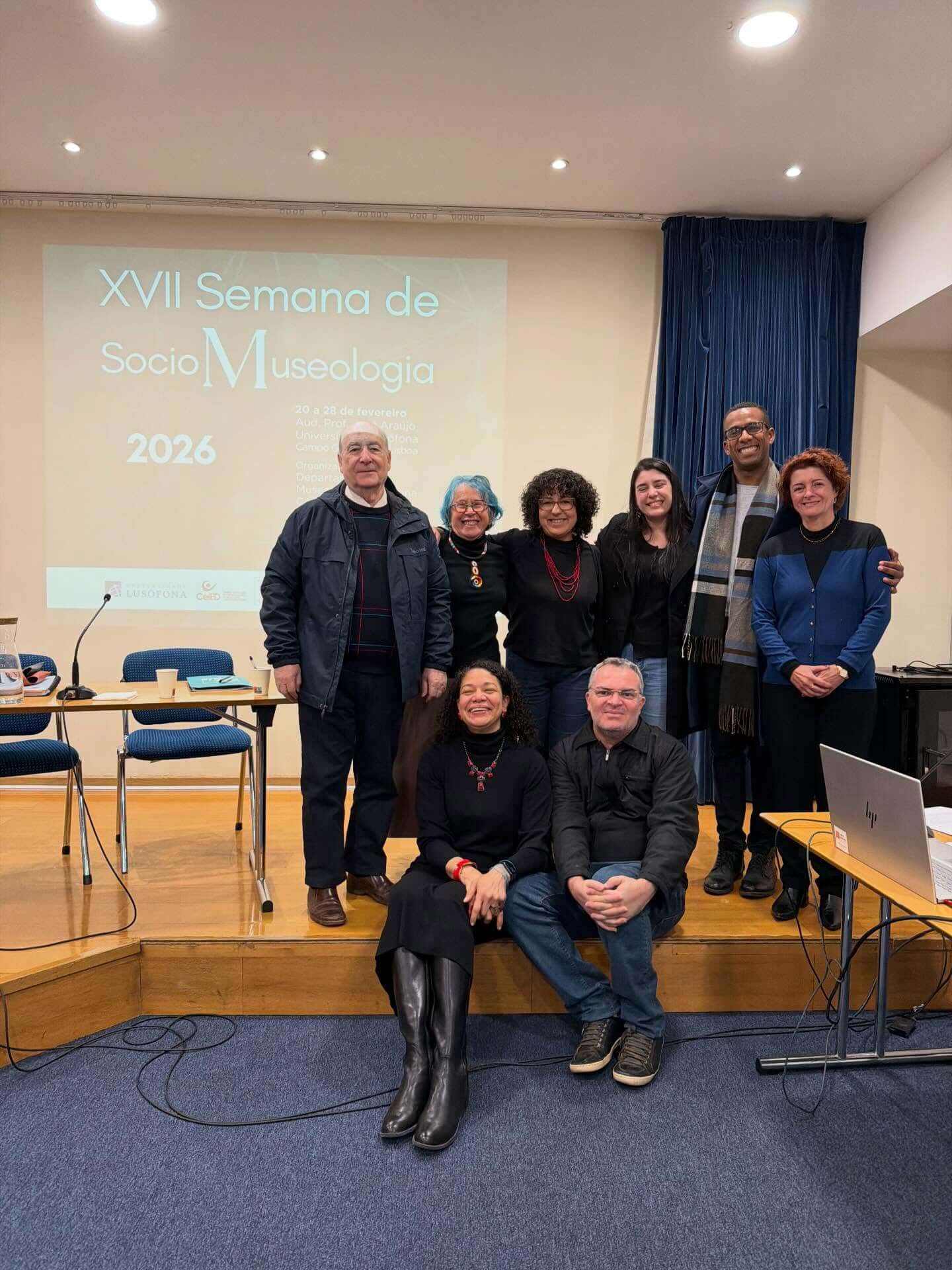
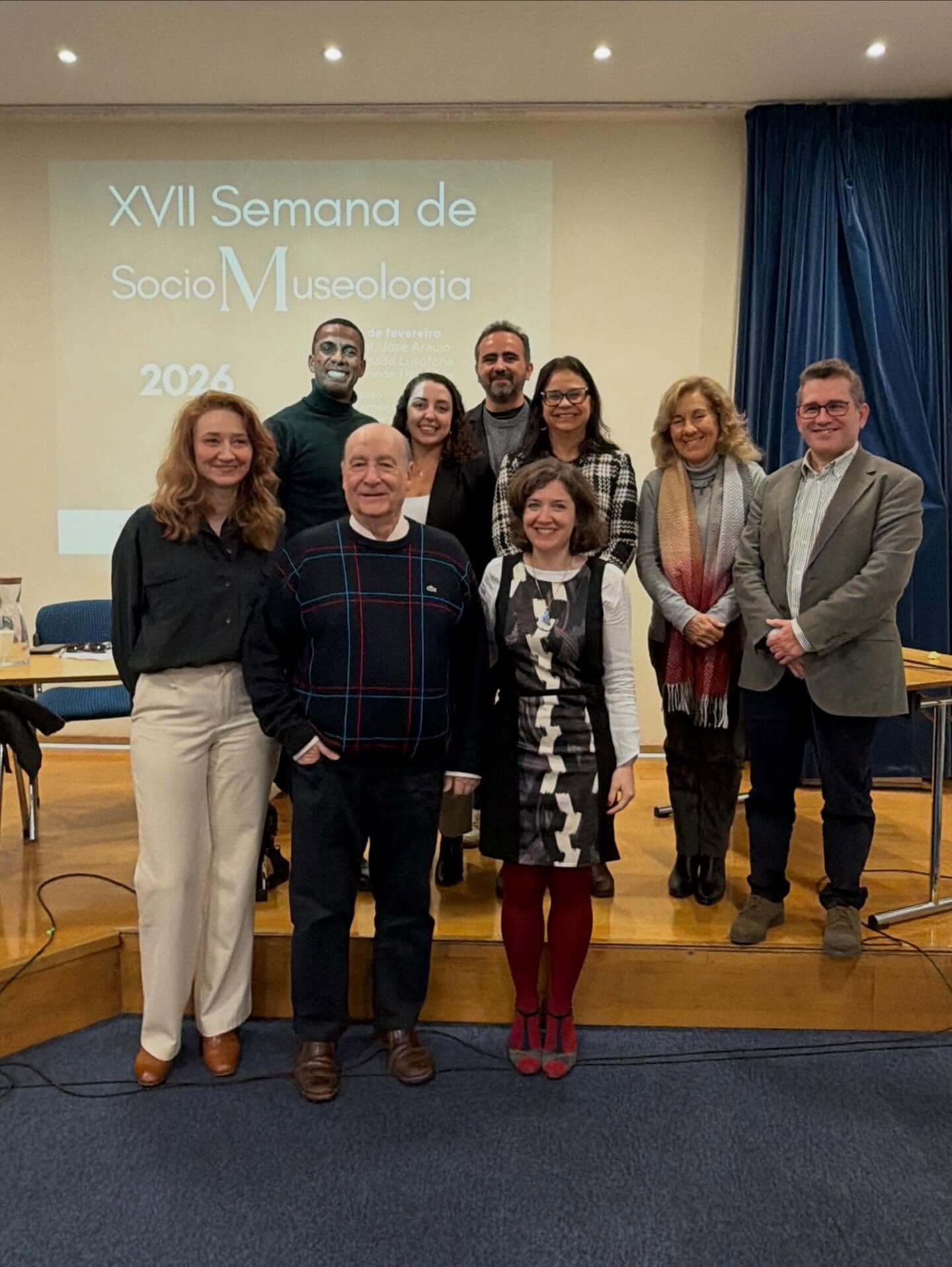
Held in February 2026, the 17th Sociomuseology Week — promoted by the Department of Museology with the support of CeiED — marked the completion of the academic journey for four PhD researchers. The event featured the successful defence of the following theses:
- Franco Reinaudo: "A Museologia e o Orgulho Negado: Uma reflexão sobre a supressão das identidades sexuais dissidentes nos museus, acervos e espaços de memória" (Museology and Denied Pride: A reflection on the suppression of dissident sexual identities in museums, collections and memory spaces)
- Carla Grião: "Acessibilidade Cosmoperceptiva nos Museus: Coexistir entre mundos que se percebem" (Cosmoperceptive Accessibility in Museums: Coexisting between worlds that perceive each other)
- Lisa Pigozzi: "Ecomuseums and heritage democratization for sustainable tourism development: Case studies in Italy and Scotland"
- Arantxa Ciafrino: "A Potencialidade Decolonial da Dança e da Performance em Museus Europeus: Um olhar sociomuseológico" (The Decolonial Potential of Dance and Performance in European Museums: A sociomuseological perspective)
Our warmest congratulations to the new doctors on this important academic and professional milestone!

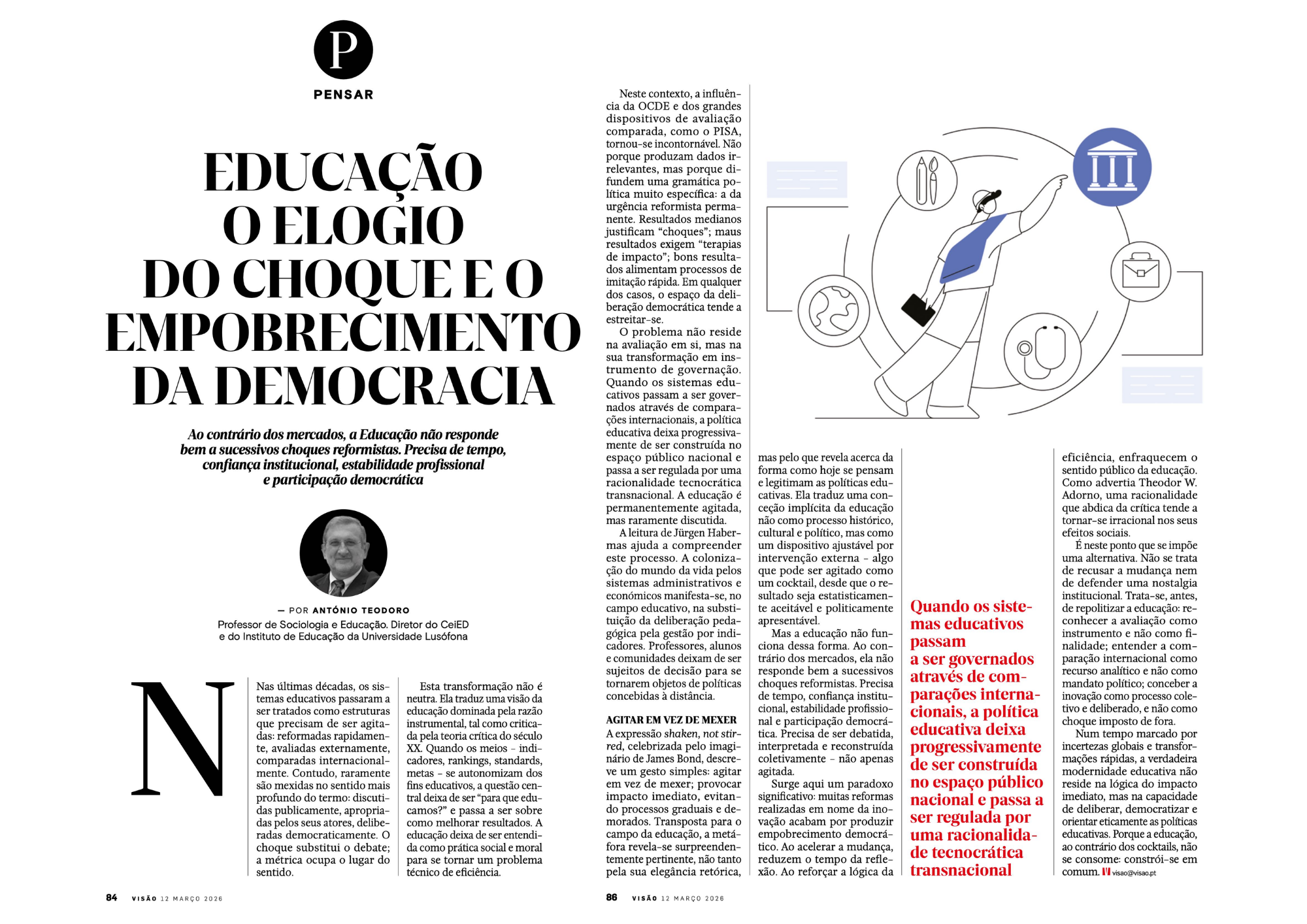
Educational reforms and democracy in António Teodoro’s article in VISÃO
Professor António Teodoro, Director of the Institute of Education at Lusófona University and of CeiED – Centre for Interdisciplinary Studies in Education and Development, has published an opinion article in the 12 March 2026 issue of VISÃO Magazine.
In the text, entitled “Education: In Praise of Shock and the Impoverishment of Democracy”, the author critically analyses recent trends in education policy, marked by rapid reforms, the centrality of indicators and the growing influence of international assessments. The article argues for the need to strengthen democratic deliberation, public debate and the collective construction of education policies.
Read the full article:

CeiED Holds Training Session on the Challenges of Teaching Portuguese as a Non-Native Language
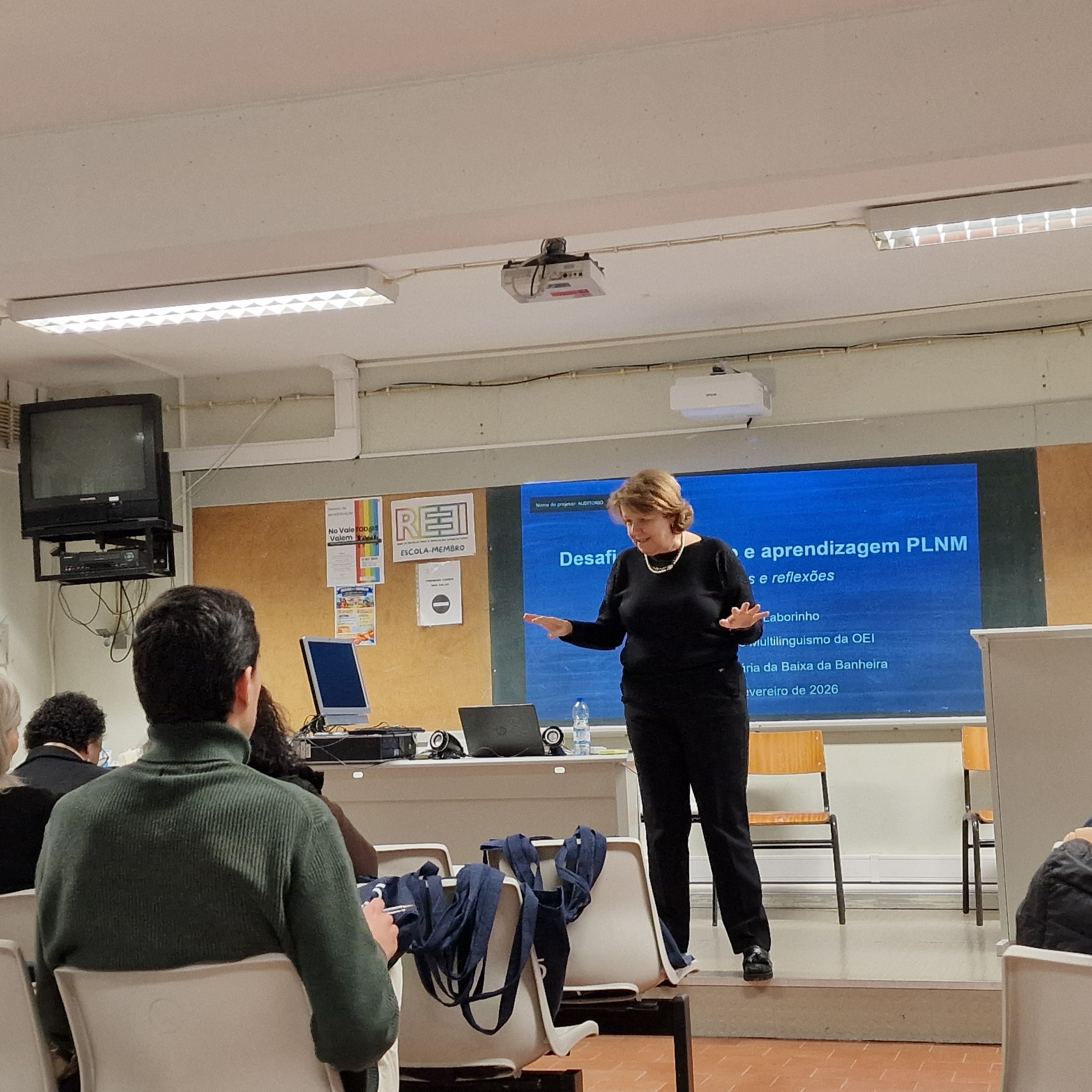
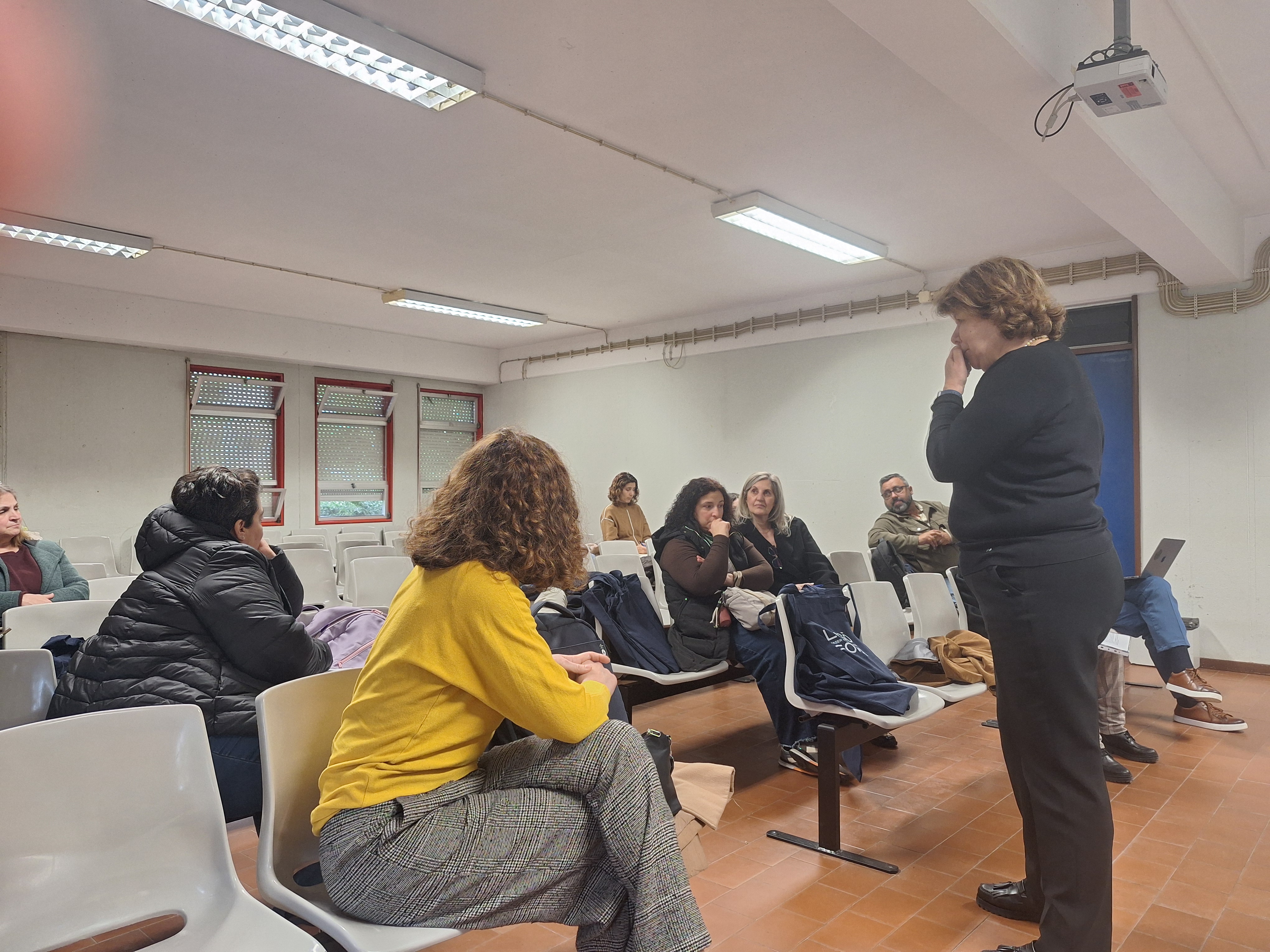
On February 25, 2026, a short training session entitled “Challenges in Teaching and Learning Portuguese as a Non-Native Language: Practices and Reflections” took place at the Escola Secundária da Baixa da Banheira. The session, certified by the APEDI – Centro de Formação Roberto Carneiro, was held within the framework of the CRIS – Collaborative Spaces for Research and Intervention. Its main objective was to reflect on the key challenges associated with teaching and learning Portuguese as a Non-Native Language (PLNM), while promoting the exchange of experiences and pedagogical practices among teachers. The topics addressed included the pluricentric nature of the Portuguese language, the neural mechanisms involved in language processing in second language acquisition, and the role of language in multilingual school contexts.
The training was delivered by Ana Paula Laborinho, Director in Portugal of the Organization of Ibero-American States for Education, Science and Culture (OEI), and Lucimar Dantas, researcher at CeiED and co-coordinator of the ReLeCo Learning & Innovation group. The initiative brought together insights from academic research and institutional experience in the fields of language policy, learning, and the teaching of Portuguese, strengthening the dialogue between research and educational practice in increasingly linguistically diverse school contexts.
FCT launches Call for PhD Studentships
The Fundação para a Ciência e a Tecnologia (FCT) has announced the opening of the Call for PhD Research Fellowships – 2026, within the framework of its policy to promote advanced training grounded in research with socio-economic relevance.

CALL FOR APPLICATIONS FOR A RESEARCH SCHOLARSHIP | Ref. BI_Licenciado_2024.16621.PEX-ROMPANTE
Within the scope of the above-mentioned call, it is hereby informed that, in accordance with the referenced Notice, the following seven (7) applications were received:
Applications received:
- Ester Damásio
- Frederico Moreira
- José Rodrigues
- Lucas Rocha
- Maíra Félix
- Maria Cristina Rabelo
- Mariana Mesmoudi
After analysing the submitted documentation, the Jury verified that all candidates met the eligibility requirements and would therefore proceed to the evaluation process.
In applying the methods of curriculum evaluation (50% weighting) and motivation letter (20% weighting), the scores obtained by the candidates, on a scale from 0 to 10, rounded to one decimal place, were as follows:
| Candidates | Total |
|---|---|
| Ester Damásio | 4.9 |
| Frederico Moreira | 6.2 |
| José Rodrigues | 3.2 |
| Lucas Rocha | 5.9 |
| Maíra Felix | 3.4 |
| Maria Cristina Rabelo | 4.9 |
| Mariana Mesmoudi | 3.1 |
According to the Notice, which предусматриes interviews for the three highest-ranked applications, and given that a tie occurred between two applications, the Jury decided to invite the following candidates to the next stage: Ester Damásio, Frederico Moreira, Lucas Rocha and Maria Cristina Rabelo.
After applying the interview selection method (30% weighting), the final scores obtained by the candidates, on a scale from 0 to 10, rounded to one decimal place, were as follows:
| Candidates | Interview Score | Final Score |
|---|---|---|
| Ester Damásio | 2.7 | 7.6 |
| Frederico Moreira | 2.0 | 8.2 |
| Lucas Rocha | 1.7 | 7.6 |
| Maria Cristina Rabelo | Absent | No final score |
Selected candidate: Frederico Moreira.
In case of complaint, candidates may submit a written statement within a maximum period of 10 working days from the date of receipt of this communication. If no objection is submitted within the legal deadline, the Jury’s decision becomes final.
The Jury thanks all candidates for their interest in the project and their participation in this selection process.
COFAC - Cooperativa de Animação e Formação Cultural CRL / Lusófona University hereby open a call for applications for the award of one Research Scholarship for a Bachelor’s degree holder enrolled in a Master’s programme, within the scope of the participation of CeiED - Interdisciplinary Research Center for Education and Development in the project Rupture, Popular Power and Emancipation? University Students’ Participation in Literacy Movements (1974–1976) / ROMPANTE, reference 2024.16621.PEX, funded by Fundação para a Ciência e a Tecnologia, I.P./MCTES through national funds (PIDDAC).

António Teodoro’s Articles Address Challenges in Science and Education
The director of CeiED, Professor António Teodoro, has recently published several opinion pieces in the national press, contributing to the public debate on the future of science, education, and public policy in Portugal.
In these texts, the author critically examines the creation of the new Agency for Research and Innovation (AI2), discusses structural challenges in the education system, and highlights the importance of fundamental research, scientific autonomy, and democratic commitment in reflections spanning multiple dimensions of public policy.
António Teodoro emphasises that, in a democratic society, science and education cannot be reduced to mere instruments of economic return or technical efficiency, calling for policies that strengthen academic freedom, stable funding, and disciplinary plurality.
Full Articles for Reading:
“Education, Commitment and the Lack of Democracy”, Público, 10 February 2026
“Science Is Not an Annex of the Economy”, Público, 19 February 2026
“Science and AI2: Is It Really the Cause?”, Público, 24 February 2026
“Merging School Cycles to Hide the Void? When the Reform Avoids Discussing Basic Education”, Expresso, 24 February 2026